
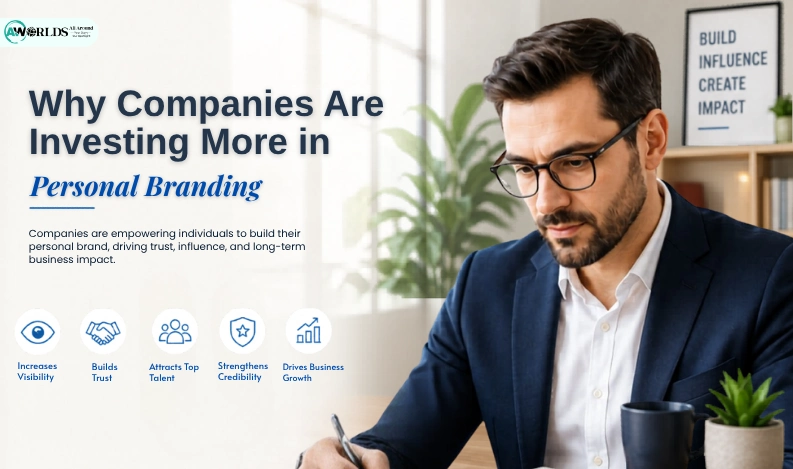
Why Companies Are Investing More in Personal Branding
The way businesses build influence and credibility is changing faster than ever before. Traditional corporate branding strategies that once depended heavily on advertising campaigns, polished messaging, and institutional reputation are gradually evolving into something far more personal and human-centered.
In today’s digital economy, audiences are no longer connecting with companies in the same way they did a decade ago. Consumers have become more selective about who they trust, what content they engage with, and which businesses they choose to support. As digital platforms continue to expose people to constant advertising and promotional messaging, many consumers are placing greater value on authenticity, transparency, and human connection.
This shift is one of the main reasons companies are investing more aggressively in personal branding in 2026.
Businesses across industries are realizing that modern trust is often built through people rather than logos alone. Founders, executives, entrepreneurs, and leadership teams are increasingly becoming the public face of organizations, shaping how audiences perceive businesses in highly competitive markets.
As a result, personal branding is no longer viewed as a side activity or individual marketing effort. It is becoming a strategic business investment directly connected to visibility, credibility, customer trust, and long-term growth.
The Digital Economy Has Changed How Trust Is Built
One of the biggest reasons personal branding has become so valuable is the changing nature of trust itself.
In previous decades, companies largely controlled public communication through advertising, media campaigns, and carefully managed corporate messaging. Today, however, audiences have direct access to leaders, executives, and business founders through digital platforms such as LinkedIn, podcasts, webinars, online interviews, and professional publications.
This level of accessibility has fundamentally changed how people evaluate businesses.
Consumers increasingly want to know:
- Who is leading the company
- What leadership stands for
- How executives think
- Whether business communication feels authentic
- If company values appear genuine
People are naturally more likely to trust individuals who communicate openly and consistently than corporations relying only on polished marketing language.
This is why businesses are investing in leadership visibility more than ever before. Companies understand that strong personal brands create emotional trust, and emotional trust strongly influences customer behavior in modern digital markets.
Leadership Visibility Is Becoming a Business Advantage
Modern leadership is becoming increasingly public.
Executives and founders are no longer operating only behind corporate structures or internal management systems. Many are now expected to communicate directly with audiences, share industry perspectives, and participate in public business conversations.
This visibility is helping businesses strengthen credibility in ways traditional advertising often cannot achieve.
When leaders consistently share thoughtful insights about industry trends, innovation, workplace culture, or business strategy, they position themselves as trusted voices within their sectors. Over time, this trust extends to the companies they represent.
Organizations are recognizing that leadership visibility helps:
- Improve brand perception
- Build customer confidence
- Increase media attention
- Strengthen industry authority
- Create stronger public credibility
In highly competitive industries, trust itself has become a competitive advantage, and personal branding is increasingly becoming one of the strongest ways to build it.
Personal Branding Helps Businesses Feel More Human
As technology continues transforming business communication, consumers are increasingly seeking authenticity and human connection.
Modern audiences are often less interested in highly polished corporate promotion and more interested in the people behind the business. They want to hear real experiences, genuine perspectives, and transparent communication from leadership teams.
Personal branding allows companies to humanize their presence.
When founders or executives openly discuss challenges, leadership lessons, innovation, or industry changes, businesses begin to feel more relatable and approachable. This emotional connection is becoming extremely valuable in digital environments where audiences are constantly overwhelmed by promotional content.
People tend to connect more deeply with stories and individuals than with abstract corporate identities. Businesses investing in personal branding understand that human-centered communication often creates stronger long-term relationships with audiences.
This shift is particularly important in industries where trust and reputation directly influence purchasing decisions.
Thought Leadership Is Becoming More Important
Another major reason companies are investing in personal branding is the growing importance of thought leadership.
Modern consumers and professionals increasingly look toward industry leaders for insights, guidance, and expertise. Executives who consistently contribute meaningful perspectives online often become influential voices within their industries.
This influence creates long-term value for businesses because it strengthens authority rather than relying only on short-term promotional visibility.
Thought leadership helps companies position themselves as:
- Industry experts
- Innovation-focused organizations
- Credible business authorities
- Trusted market voices
Businesses led by visible and knowledgeable leaders are often perceived as more reliable and forward-thinking than competitors with little public leadership presence.
This is one reason LinkedIn, podcasts, executive interviews, and professional content creation have become central parts of modern business strategy.
Personal Branding Is Influencing Hiring and Workplace Culture
The impact of personal branding extends beyond customers and marketing. It is also shaping recruitment and company culture.
Professionals today often research company leadership before considering career opportunities. Employees increasingly want to work for organizations led by individuals who appear authentic, visionary, and approachable.
Visible leadership can significantly influence how companies are perceived internally and externally.
Organizations with strong leadership branding often find it easier to:
- Attract talented professionals
- Build stronger employer reputation
- Increase employee trust
- Strengthen workplace engagement
This is especially true among younger professionals who value transparency and modern leadership communication.
In many industries, leadership visibility is now directly connected to employer branding itself.
Founder-Led Branding Is Reshaping Modern Business
The rise of founder-led businesses has accelerated the importance of personal branding even further.
Many successful modern companies are strongly associated with the personalities and visibility of their founders. Consumers increasingly connect with the founder’s story, values, and communication style before engaging deeply with the business itself.
This trend is especially visible within:
- Technology startups
- Creator-led businesses
- Consulting brands
- Digital education companies
- Media platforms
Founder visibility often strengthens:
- Audience loyalty
- Brand trust
- Investor confidence
- Community engagement
- Business recognition
In digital-first industries, the founder’s identity frequently becomes an extension of the brand itself.
Companies are recognizing that audiences are often more loyal to businesses when they feel connected to the people behind them.
Authenticity Is Becoming More Powerful Than Corporate Perfection
One of the biggest reasons personal branding is so effective today is authenticity.
Modern audiences are becoming increasingly resistant to overly scripted corporate communication. They prefer leaders who communicate naturally, share meaningful insights, and appear genuine rather than overly polished.
This shift reflects a broader cultural movement toward transparency and human-centered communication.
People are more likely to trust leaders who:
- Speak honestly
- Share real experiences
- Offer valuable insights
- Communicate consistently
- Show personality and perspective
Authenticity helps businesses appear more trustworthy in highly competitive digital environments.
And in the modern economy, trust is becoming one of the most valuable assets any business can build.
The Future of Business Branding
The future of branding is becoming increasingly personal.
Businesses are recognizing that long-term influence is no longer built only through advertising budgets or corporate campaigns. It is increasingly built through visibility, leadership credibility, expertise, and meaningful communication.
As digital communication continues reshaping consumer behavior, companies investing in strong personal branding are likely to build stronger customer relationships, greater industry influence, and more sustainable long-term growth.
Personal branding is no longer simply about self-promotion.
It has become a strategic business tool helping companies create trust, strengthen credibility, and remain relevant in an increasingly human-centered digital economy.
For more Information:-




Recent Comments:
No comments yet.