
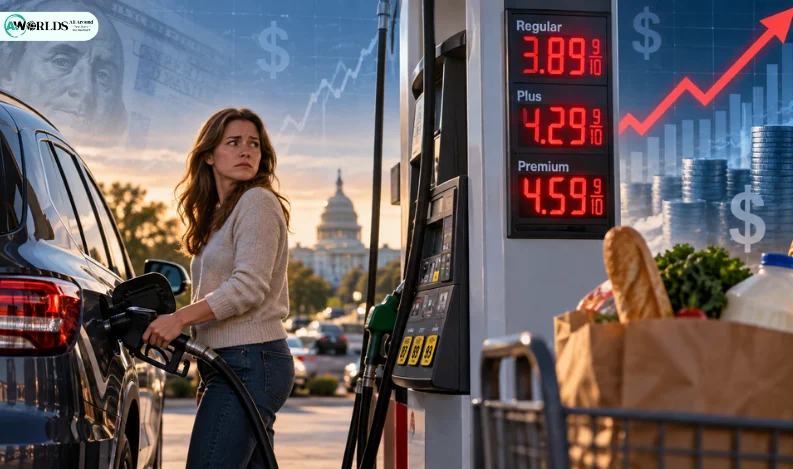
High Gasoline Prices Expected to Boost US Consumer Inflation in September
Rising gasoline prices are expected to have pushed US consumer inflation higher in September, adding pressure on households already dealing with elevated living costs. Higher fuel expenses can affect not only drivers but also businesses that depend on transportation, potentially increasing the cost of goods and services across the economy.
Rising Fuel Costs Put Pressure on Inflation
Gasoline prices play an important role in the US inflation picture because fuel is a regular expense for millions of households. When prices rise, consumers have less money available for other purchases, including groceries, entertainment, and discretionary spending.
Higher fuel costs can also increase operating expenses for transportation companies, delivery services, and other businesses. Some of these additional costs may eventually be passed on to consumers through higher prices.
Impact on Household Spending
For American households, more expensive gasoline can make everyday budgeting difficult, particularly for people who rely on cars to commute to work or manage family responsibilities. Lower-income households may feel the pressure more strongly because fuel and other essential expenses account for a larger share of their budgets.
If consumers spend more on gasoline, they may reduce spending in other areas. This could affect retailers, restaurants, and service businesses that depend on steady consumer demand.
Federal Reserve Faces a Complicated Outlook
Higher energy prices can make the Federal Reserve's efforts to control inflation more challenging. If fuel costs push overall inflation higher, policymakers may need to assess whether price pressures are temporary or likely to spread to other parts of the economy.
However, gasoline-driven inflation does not necessarily mean that underlying inflation is accelerating. The Federal Reserve also monitors measures that exclude volatile food and energy prices to understand broader price trends.
What Lies Ahead for the US Economy?
The effect of September's gasoline prices will depend on how long fuel costs remain elevated and whether increases spread to other goods and services. Persistent price pressures could limit household spending power and complicate the outlook for interest rates.
Upcoming inflation data will help economists and policymakers assess the broader impact on the US economy. For consumers, the immediate concern remains the rising cost of everyday expenses and the pressure these costs place on household budgets.
More News:-






Recent Comments:
No comments yet.