
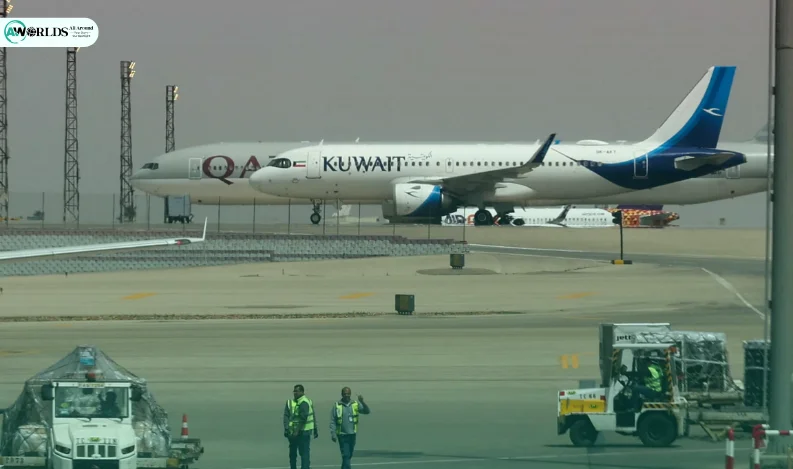
Kuwait Closes Airspace as Regional Tensions Escalate Following U.S. Strikes on Iran
Regional tensions intensified on Thursday after Kuwait temporarily closed its airspace and Israel issued security warnings amid escalating hostilities linked to recent U.S. military strikes on Iran.
Kuwaiti authorities announced the closure of national airspace after reports of intercepted aerial threats, citing growing security concerns following developments in the region. The precautionary measure comes as military activity across the Gulf continues to increase.
At the same time, Israeli officials warned residents in several northern communities of potential launches from Lebanon, prompting heightened security measures along the country's northern border.
The developments follow U.S. military operations targeting multiple sites in Iran. According to U.S. Central Command, the strikes were directed at military surveillance systems, communication infrastructure, and air defense capabilities that were considered threats to U.S. forces and international maritime traffic operating in regional waters.
Iranian state media reported retaliatory military actions targeting facilities associated with U.S. forces in the Gulf region. Reports also indicated increased military activity around strategic waterways, including the Strait of Hormuz, a critical route for global energy shipments.
The latest escalation has raised concerns among governments and international markets over the potential impact on regional stability and global energy supplies. Investors reacted cautiously as oil prices moved higher amid fears of supply disruptions and broader geopolitical uncertainty.
U.S. President Donald Trump stated that Washington remains committed to protecting its military personnel and strategic interests while continuing efforts to secure an agreement with Tehran. However, officials on both sides have exchanged increasingly strong rhetoric, fueling concerns that tensions could continue to rise.
Financial markets also responded to the developments, with crude oil prices climbing sharply and major stock futures declining as investors assessed the possibility of a prolonged conflict. Energy analysts have warned that continued instability in the Middle East could place additional pressure on global oil markets and transportation costs.
Security experts note that the coming days will be critical in determining whether diplomatic efforts can prevent further escalation. Governments across the region remain on high alert as military and political developments continue to unfold.







Recent Comments:
No comments yet.