
Japan Has Room for More Yen Intervention, Goldman Sachs Says
Japan has enough foreign-exchange reserves to carry out further large-scale yen-buying interventions if needed, according to Goldman Sachs, as authorities continue to watch the currency’s weakness against the U.S. dollar.
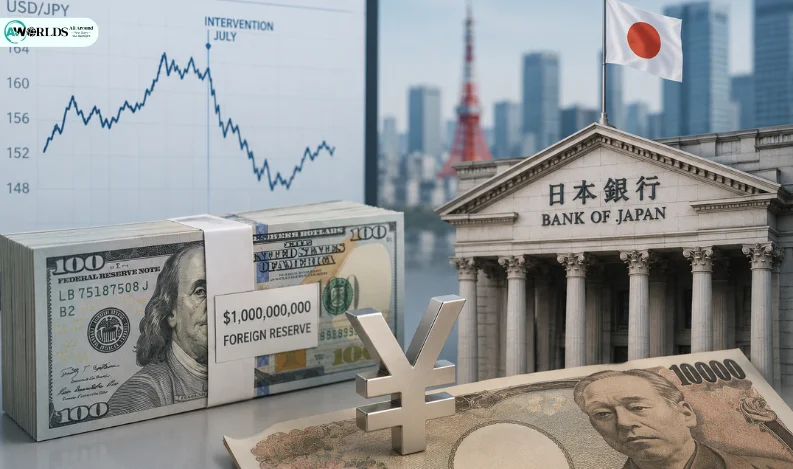
The country holds around $1 trillion in U.S. dollar reserves, with an estimated $200 billion available in cash or cash-like assets. Goldman Sachs strategist Karen Fishman said this gives Japan sufficient capacity to conduct several more intervention rounds similar to the operation carried out in July.
Japan’s position could be strengthened further through access to the U.S. Federal Reserve’s FIMA repo facility. The mechanism allows foreign central banks to raise dollar liquidity against their holdings of U.S. Treasury securities, reducing the need to sell those assets directly in the market.
Yen Gives Back Part of Its Gains
The yen strengthened sharply after Japan and the U.S. intervened jointly in late July, when the currency had weakened toward 164 per dollar, close to multi-decade lows.
However, part of that recovery has already faded. The yen has moved back toward the 160-per-dollar level, giving back a significant share of its post-intervention gains.
Goldman analysts said this highlights the limits of currency intervention. While direct market action can slow excessive moves and provide temporary support, it may not be enough to create a lasting recovery in the yen.
The bigger issue remains the wide gap between U.S. and Japanese interest rates, which continues to make dollar-denominated assets more attractive to investors.
Bank of Japan Policy in Focus
Markets are now turning their attention to the Bank of Japan’s September policy meeting, where investors will be looking for signs of another interest-rate increase.
A stronger-than-expected tightening move could help support the yen by narrowing the interest-rate gap with the U.S. However, if the Bank of Japan keeps rates unchanged or delivers less tightening than markets expect, renewed pressure on the currency could emerge.
That, in turn, may increase expectations that Japanese authorities will step into the foreign-exchange market again.
For now, Goldman Sachs believes Japan still has substantial financial capacity to defend the yen if volatility increases, but any long-term improvement in the currency is likely to depend more on monetary policy and interest-rate conditions than on intervention alone.
More News:-







Recent Comments:
No comments yet.