
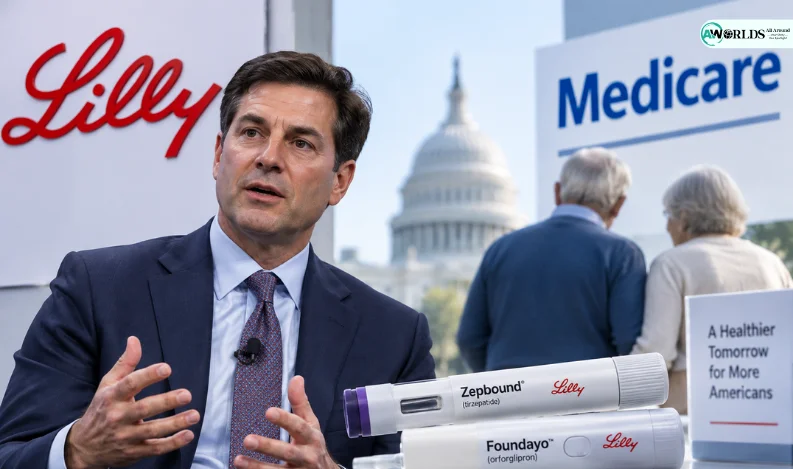
Eli Lilly CEO Says 700,000 New Seniors Started GLP-1s After Medicare Coverage
About 700,000 Medicare beneficiaries have started GLP-1 treatments for weight management since new coverage began in July, according to Eli Lilly CEO David Ricks, with roughly 70% of those patients using Lilly medicines.
Speaking to CNBC on Monday, Ricks described the early response to the Medicare rollout as “very encouraging,” saying the expansion in access is helping grow the broader market for obesity treatments. The figures provide an early look at how quickly demand has increased since Medicare began covering certain GLP-1 medicines for eligible patients.
Medicare Coverage Opens a New Market
The new access began on July 1, 2026, through the temporary Medicare GLP-1 Bridge program.
The program allows eligible Medicare Part D beneficiaries to receive certain GLP-1 medicines for weight management, generally with a monthly out-of-pocket cost of no more than $50. Covered options include Lilly's Zepbound and Foundayo, along with Novo Nordisk's Wegovy products.
The change is significant because it opens a much larger pool of older Americans to treatments that previously faced substantial coverage and affordability barriers.
Lilly Captures Most of the New Patients
According to Ricks, Lilly medicines account for about 70% of the 700,000 new GLP-1 starts since July.
The company's two main obesity products serve different parts of the market. Zepbound, an injectable treatment containing tirzepatide, remains Lilly's major obesity product, while Foundayo, an oral GLP-1 medicine, offers a tablet-based option for patients who prefer not to use injections.
Ricks said physicians are continuing to use Zepbound heavily among patients with greater levels of excess weight and related health complications, while Foundayo is attracting some people seeking a convenient oral treatment.
Oral GLP-1 Competition Is Growing
The Medicare rollout comes as competition in the obesity-drug market expands beyond injectable treatments.
Foundayo has quickly gained traction since its launch, with Ricks saying the drug now represents roughly one-third of new prescriptions for oral obesity medicines in the U.S. The company expects demand to grow further as the drug becomes available in additional international markets.
Novo Nordisk, meanwhile, is also expanding its oral obesity portfolio as competition between the two pharmaceutical companies intensifies.
Lilly Sees Opportunity Beyond the US
Ricks said international markets could become an increasingly important part of the oral GLP-1 business.
Foundayo is already available in several markets outside the United States, with Lilly expecting launches in more countries over the next six months. The company has said oral medicines could be particularly attractive internationally because tablets are easier to manufacture and distribute at large scale than injectable products.
Lilly is also investing heavily in manufacturing capacity. The company recently began construction of a $6.5 billion manufacturing campus in Houston, which is expected to produce Foundayo and other small-molecule medicines.
Demand Growth Comes as Competition Intensifies
The early Medicare numbers arrive as the global market for obesity medicines becomes increasingly competitive.
The sector is expected to grow substantially over the next decade, attracting investment from established pharmaceutical companies and smaller biotechnology firms developing newer weight-loss treatments. Lilly and Novo Nordisk currently occupy central positions in the market, while companies including Pfizer, Roche, Amgen and AstraZeneca are developing competing therapies.
For Lilly, continued expansion among older Americans could provide another significant source of demand for its obesity portfolio.
Medicare Rollout Could Have a Wider Impact
The early enrollment figure also highlights how much insurance coverage can influence access to expensive medicines.
Before the Medicare change, many older Americans faced limited coverage for weight-management treatments. The Bridge program has reduced that financial barrier for eligible beneficiaries and could encourage more patients and physicians to consider GLP-1 medicines.
Medicare says the program is available nationwide to eligible people with Part D coverage, subject to clinical criteria and other requirements.
Lilly Watches the Next Stage of Growth
The 700,000 figure represents only the first months of the new coverage program, so it remains too early to determine how durable the increase in demand will be.
Lilly will be watching whether patients remain on treatment, how prescribing patterns develop and how the market evolves as competing medicines become more widely available.
For now, however, the early numbers give the company a significant commercial data point: hundreds of thousands of Medicare beneficiaries have entered the GLP-1 market since July, and Lilly says its medicines account for around seven out of every 10 new starts.
More News:-






Recent Comments:
No comments yet.