
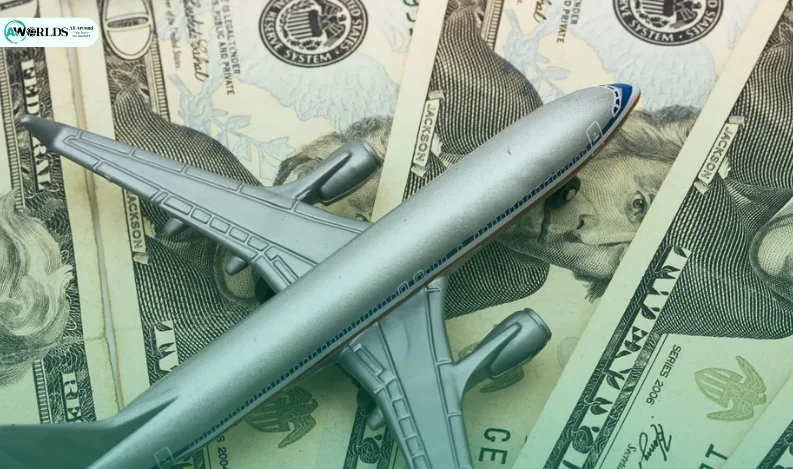
U.S. Airlines Raise Fares as Travel Demand Remains Resilient Despite Rising Costs
U.S. airlines are increasing ticket prices as rising fuel costs put pressure on profitability, yet travel demand continues to show remarkable resilience, with passengers continuing to book flights despite higher fares.
The surge in jet fuel prices, triggered by geopolitical tensions and disruptions in key energy routes, has significantly increased operating costs for carriers. However, airline executives report that consumer demand has remained strong, particularly during peak travel periods.
Data from industry sources indicates that ticket sales have grown steadily. In March alone, travel agency bookings rose by 12 per cent year-on-year to $10.4 billion, reflecting continued consumer willingness to spend on travel. Domestic trips increased by 5 per cent, while international travel also saw modest growth.
Airfare prices have climbed notably over the past year. Domestic economy tickets have risen by approximately 21 per cent, reaching an average price of $570, while premium seats have increased by 17 per cent to an average of $1,444 per journey.
Despite these increases, airline executives remain optimistic about future performance. Many carriers are forecasting strong revenue growth in the coming quarters, with expectations that rising ticket prices will eventually offset the higher cost of fuel.
Major airlines have already outlined positive projections. Some expect second-quarter revenue growth to reach double-digit percentages, supported by sustained demand and strategic capacity management. By limiting available seats, airlines are able to maintain higher fares while ensuring strong occupancy rates.
Industry leaders also point to the growing importance of premium travel segments. Seats such as business class and premium economy are contributing significantly to revenue growth, as travelers increasingly opt for enhanced travel experiences.
However, the outlook is not uniform across the industry. Low-cost carriers, which rely heavily on budget-conscious travelers and offer fewer premium options, are facing greater challenges in passing on higher costs. Some have even sought financial relief to cope with the sharp increase in fuel expenses.
Analysts suggest that airfare prices may remain elevated even if oil prices stabilize. This is due to additional factors such as refining and transportation costs, which tend to adjust more slowly. As a result, airlines could continue to benefit from stronger margins if demand remains consistent.
Looking ahead, the key question for the industry will be whether travelers maintain their current spending patterns, particularly later in the year when booking activity typically slows. For now, strong demand signals indicate that consumers are prioritizing travel, even in the face of rising costs.
More News:-






Recent Comments:
No comments yet.