
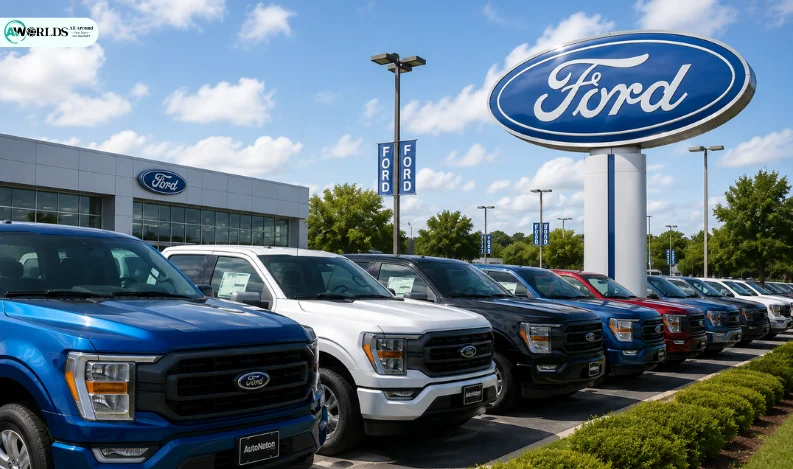
Ford Q2 U.S. Sales Fall 10.3% as Truck Supply Constraints and EV Demand Weigh on Performance
Ford Motor posted a sharp decline in its U.S. vehicle sales during the second quarter, with deliveries falling 10.3% from a year earlier as production challenges affecting its best-selling pickup trucks and slowing demand for electric vehicles weighed on results.
The automaker sold 549,200 vehicles between April and June, compared with 612,095 units during the same period in 2025. Although the decline was significant, the performance came in slightly ahead of industry expectations, which had projected an even larger drop.
The biggest setback came from Ford's F-Series pickup lineup. Sales of the company's flagship trucks, including the F-150, fell 11% after production was disrupted by shortages of aluminum supplies. The issue stemmed from operational interruptions at one of Ford's key aluminum suppliers following fires that occurred late last year.
Ford said customer demand for the F-Series remains healthy and expects production to improve during the second half of the year as supplier operations continue returning to normal.
"First-half F-Series sales were affected by the timing of commercial production following last year's aluminum supply shortages. We expect supply conditions to improve further during the second half," the company said.
Electric vehicles also remained a weak spot in Ford's quarterly performance. Sales of the company's battery-electric models dropped 40.7% year over year, highlighting the broader slowdown in consumer demand that has affected much of the U.S. EV market in recent months.
The decline comes as many buyers increasingly favour hybrid vehicles over fully electric models, prompting several manufacturers to adjust their product strategies to better reflect changing market preferences.
Despite lower overall sales, Ford said the F-Series continues to be America's best-selling pickup truck, maintaining its long-held leadership position in one of the country's most competitive vehicle segments.
The company also estimated its U.S. retail market share increased slightly to 12.3%, suggesting that Ford maintained a stable competitive position despite lower production volumes.
For the first six months of 2026, Ford sold approximately one million vehicles in the United States, representing a 9.6% decline compared with the first half of last year.
Ford's results were released as the U.S. automotive industry reported mixed second-quarter performances. While some manufacturers benefited from rising hybrid vehicle demand, others continued to experience slower electric vehicle sales and ongoing supply-chain challenges.
Industry analysts noted that overall U.S. vehicle demand remained relatively resilient during June, supported by steady consumer spending and improving inventory levels. However, manufacturers continue to monitor factors such as higher financing costs, evolving trade policies, and shifting consumer preferences that could influence sales during the remainder of the year.
Looking ahead, Ford expects stronger production volumes as supply constraints ease and believes improving truck availability will support sales growth in the second half of 2026. The company also continues to expand its hybrid offerings while refining its long-term electric vehicle strategy to remain competitive in a rapidly evolving automotive market.







Recent Comments:
No comments yet.