
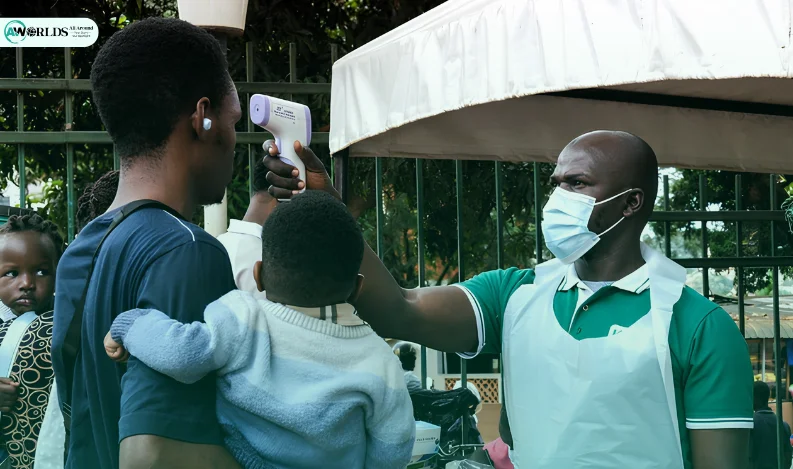
CDC Confirms American Ebola Case in Congo, Says U.S. Public Risk Remains Low
Centers for Disease Control and Prevention confirmed that an American citizen has tested positive for Ebola in the Democratic Republic of Congo amid a growing outbreak in central Africa that global health authorities are urgently working to contain.
According to the CDC, the individual was exposed to the virus while working in Congo, developed symptoms over the weekend, and tested positive late Sunday. U.S. officials are now coordinating efforts to transfer the patient, along with six other Americans who were exposed, to Germany for treatment, monitoring, and specialized medical care.
Despite the confirmed case, CDC officials stressed that no Ebola infections linked to the outbreak have been identified within the United States and that the overall risk to the American public remains low.
The announcement came shortly after the World Health Organization declared the Ebola outbreak a “public health emergency of international concern,” citing increasing infection rates and concerns that the outbreak may be significantly larger than current reported figures suggest.
Health authorities stated that more than 300 suspected Ebola cases and at least 88 suspected deaths have been recorded, primarily in Congo and neighboring Uganda.
The current outbreak involves the rare Bundibugyo strain of the Ebola virus, a variant for which there is currently no approved vaccine or targeted treatment. According to health experts, the strain historically carries a fatality rate ranging between 25% and 50%.
Ebola symptoms can appear suddenly and typically include fever, fatigue, muscle pain, headaches, and sore throat. In more severe stages, patients may experience vomiting, diarrhea, abdominal pain, internal bleeding, and impaired kidney or liver function.
Dr. Satish Pillai, the CDC’s Ebola response incident manager, stated that precautionary measures are already being implemented to reduce the risk of international spread. The CDC announced temporary entry restrictions for non-U.S. passport holders who have recently traveled to Congo, Uganda, or South Sudan within the last three weeks.
Medical experts emphasized that although isolated Ebola cases could eventually appear in other countries, the outbreak is unlikely to develop into a global pandemic similar to COVID-19. Specialists noted that Ebola transmission only occurs after symptoms appear, significantly limiting widespread silent transmission.
Researchers are also working to develop monoclonal antibody therapies specifically targeting the Bundibugyo strain, though officials said it remains unclear when such treatments could become widely available.
The outbreak continues to place pressure on international health agencies as they race to contain infections and prevent further cross-border spread across Africa and beyond.







Recent Comments:
No comments yet.