
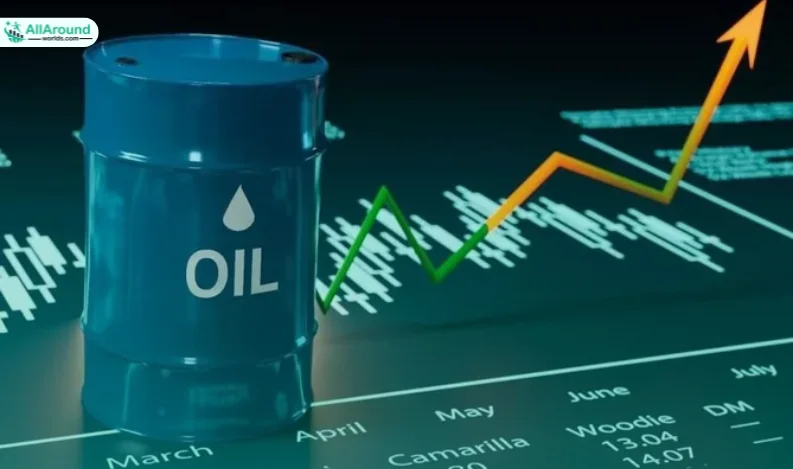
WTI Oil Price Jumps 8% as Middle East Tensions Shake Global Markets
Global oil prices rose sharply on Thursday as escalating tensions in the Middle East raised concerns about potential disruptions to energy supplies.
The West Texas Intermediate (WTI) crude oil April contract climbed 8% to $94.23 per barrel, reflecting growing market anxiety over the ongoing conflict involving the United States, Israel and Iran.
Meanwhile, Brent crude increased nearly 5% to $91.98 per barrel, gaining about $4.18 during the session.
Analysts say the latest surge highlights the impact of geopolitical tensions on global energy markets, particularly disruptions to tanker traffic through the Strait of Hormuz, one of the world’s most critical oil shipping routes.
About 20% of global oil supplies pass through the Strait of Hormuz, making it a key chokepoint for international energy trade.
Despite efforts by governments to stabilize markets, oil prices continued rising. The International Energy Agency (IEA) recently announced that its member countries would release 400 million barrels of crude oil from strategic reserves, while the United States confirmed it would release 172 million barrels from its Strategic Petroleum Reserve.
However, the emergency supply measures have done little to calm market concerns about potential disruptions in Middle Eastern oil exports.
The oil market has seen significant volatility over the past year. Prices that ranged between $70 and $80 per barrel in mid-2025 fell to nearly $50 by December, amid expectations of a global oversupply driven by rising production in the United States and Brazil.
Since early 2026, however, prices have been climbing steadily as geopolitical tensions increased and supply risks emerged.
Market analysts say the current surge has also been amplified by futures market activity, where traders have rushed to cover short positions, triggering rapid price movements.
Looking ahead, forecasts for the rest of the year remain uncertain. The U.S. Energy Information Administration (EIA) expects oil prices to ease later in 2026 as production increases and supply routes stabilise.
However, some analysts warn that if disruptions in the Middle East continue, oil prices could remain between $90 and $110 per barrel, with the possibility of further spikes if supply risks intensify.
For now, global energy markets remain highly sensitive to developments in the region, where geopolitical tensions continue to influence oil prices and broader economic conditions.





Recent Comments:
No comments yet.