
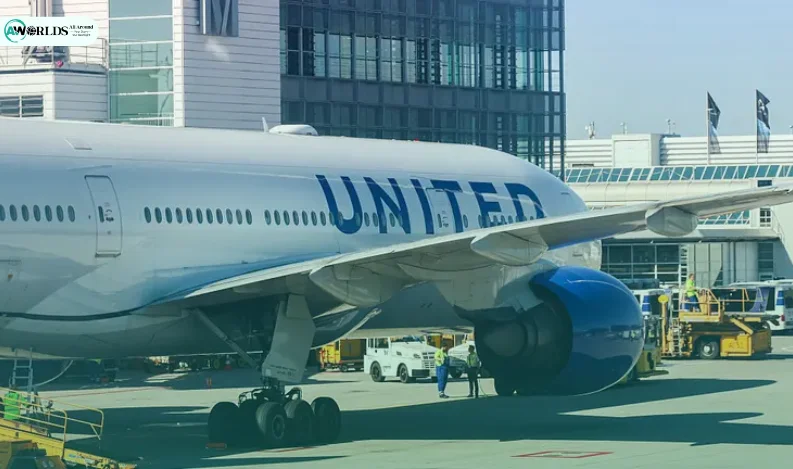
United Airlines Raises Checked Bag Fees Amid Surge in Fuel Costs
United Airlines has raised its checked bag fees by $10, becoming the latest carrier to pass rising fuel costs on to passengers as the aviation industry faces mounting financial pressure.
Under the new pricing structure, most domestic travelers will pay $45 for their first checked bag if booked in advance, or $50 if purchased within 24 hours of departure. The revised fees will apply to tickets purchased starting April 3 and extend across routes in the United States, Mexico, Canada and parts of Latin America.
The move follows a similar adjustment by JetBlue Airways, which earlier this week increased checked baggage fees by up to $9, depending on booking conditions. Industry analysts expect other carriers to consider similar steps, as airlines typically respond in tandem to cost pressures.
At the heart of the increase is a sharp rise in jet fuel prices, which remain one of the largest operating expenses for airlines after labour. Fuel costs have surged by more than 80% since late February, following geopolitical tensions linked to the conflict involving Iran.
Airlines are increasingly being forced to balance rising operational expenses with competitive pricing, often turning to ancillary fees such as baggage charges to offset costs without directly increasing ticket prices.
Despite the fee hike, certain passengers will remain exempt. Frequent flyer members with elite status, holders of airline co-branded credit cards, active military personnel and premium cabin travelers will continue to receive complimentary checked baggage on eligible routes.
United also noted that customers who prepay for baggage at least 24 hours before departure may still receive a small discount compared to last-minute purchases.
The impact of rising fuel prices is not limited to the aviation sector. Companies across industries are adjusting pricing strategies to manage higher logistics and energy costs. Amazon, for instance, has recently introduced a surcharge tied to fuel and transportation expenses for third-party sellers using its fulfillment services.
As fuel prices remain elevated, travelers may face further increases in ancillary fees, reflecting broader inflationary pressures across the global economy.
The latest move by United underscores how geopolitical developments and energy market volatility are increasingly influencing everyday travel costs.






Recent Comments:
No comments yet.