
OPEC+ Signals Output Increase Once Strait of Hormuz Reopens
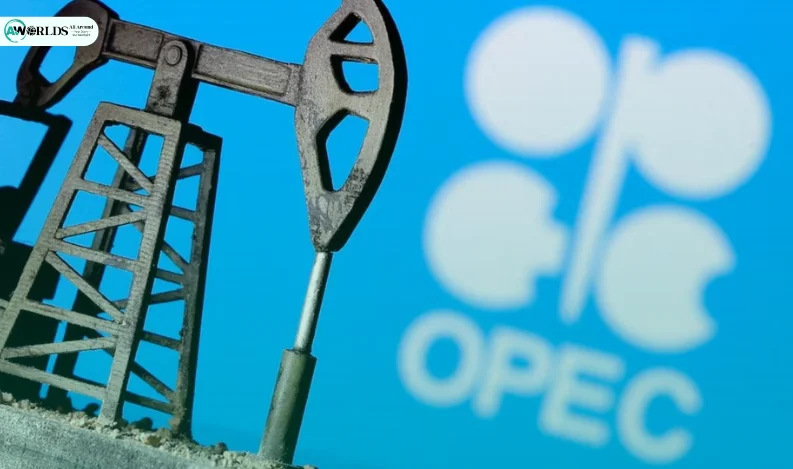
OPEC+ has agreed to raise oil production quotas by 206,000 barrels per day for May, sending a signal that the group is prepared to increase supply once the Strait of Hormuz reopens and oil flows begin to normalise.
The decision was taken during a virtual meeting of eight key OPEC+ members on Sunday, amid continuing disruption caused by the U.S.-Israeli war with Iran. While the increase appears positive on paper, analysts say it is unlikely to bring immediate relief to global markets as long as the Strait of Hormuz remains largely shut.
The closure of the waterway since late February has severely affected exports from major Gulf producers including Saudi Arabia, the UAE, Kuwait and Iraq. These countries were among the few OPEC+ members with the capacity to significantly raise output before the conflict began.
Oil prices have already surged to near four-year highs, approaching $120 per barrel, increasing pressure on consumers, businesses and governments worldwide. However, the newly announced quota rise accounts for less than 2% of the supply disrupted by the closure of Hormuz, making its short-term impact limited.
Market experts said the move should be seen more as a sign of readiness rather than an immediate supply solution. As long as the key shipping route remains constrained, additional output from Gulf producers cannot easily reach the market.
OPEC+ also expressed concern over the growing number of attacks on energy infrastructure across the region. Officials said damage from missile and drone strikes has been severe, and repairs could take months even if the conflict de-escalates soon.
In a limited sign of movement, shipping data showed a tanker carrying Iraqi crude had passed through the strait after Iran reportedly exempted Iraq from certain transit restrictions. Still, uncertainty remains over whether more vessels will attempt the route under current conditions.
The scale of disruption has been extraordinary. Estimates suggest that between 12 million and 15 million barrels per day, or as much as 15% of global oil supply, may have been affected, making it one of the most severe oil supply shocks on record.
With the situation still highly unstable, the market’s focus remains firmly on the reopening of the Strait of Hormuz. Until then, OPEC+’s output increase is likely to remain largely symbolic, while oil prices continue to reflect the risk of prolonged disruption.




Recent Comments:
No comments yet.