
Japan’s Nikkei 225 Crosses 65,000 for the First Time as Oil Prices Decline
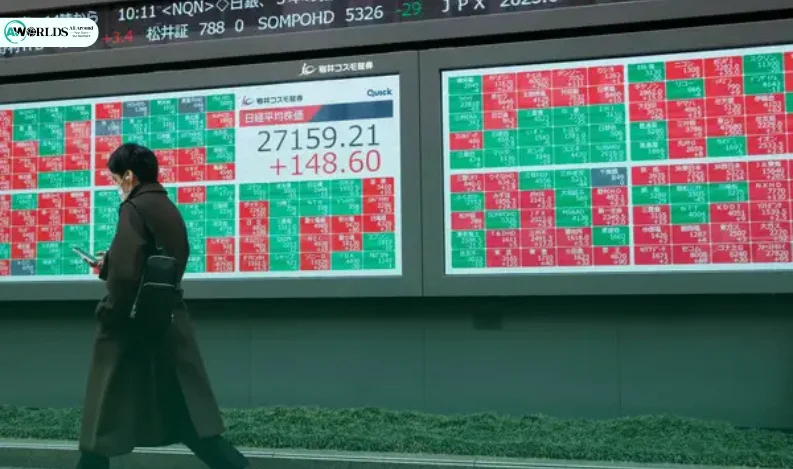
Japan’s benchmark stock index, the Nikkei 225, surged past the historic 65,000 mark for the first time on Monday, supported by improving investor sentiment after signs emerged that tensions surrounding the Strait of Hormuz could begin to ease. The milestone reflects growing optimism across Asian financial markets as oil prices sharply declined following renewed diplomatic developments involving Iran and the United States.
The Nikkei 225 climbed more than 3 percent during trading, reaching a record high above 65,400 points before stabilising slightly lower. Japan’s broader Topix index also advanced, while Taiwan’s Taiex index touched a fresh all-time high as investors returned to technology and export-driven equities. Asian markets broadly traded in positive territory despite lower trading volumes caused by public holidays in several major financial centres.
Investor confidence strengthened after US President Donald Trump stated that negotiations with Iran were progressing in a “constructive manner,” raising hopes that the Strait of Hormuz, one of the world’s most strategically important oil shipping routes could reopen fully in the near future. Markets interpreted the comments as a signal that geopolitical risks in the Middle East may gradually begin to ease.
Oil prices reacted sharply to the developments. Brent crude and West Texas Intermediate futures both fell by more than five percent in early Asian trading after recent weeks of elevated volatility driven by fears of supply disruptions in the Gulf region. Analysts noted that lower oil prices helped improve sentiment toward Asian economies that are heavily dependent on imported energy, particularly Japan and India.
The rally in Japanese equities also reflected growing confidence in the country’s economic recovery and continued investor interest in Asia’s technology and manufacturing sectors. Export-oriented Japanese companies often benefit when energy costs decline, as reduced fuel expenses improve profit margins and support broader industrial activity.
Elsewhere across the region, Australia’s S&P/ASX 200, India’s Nifty 50, and China’s CSI 300 all recorded gains, while markets in Hong Kong and South Korea remained closed for public holidays. US markets were also closed for the Memorial Day holiday, resulting in thinner global trading activity.
Financial analysts believe the latest market rally highlights how closely global equities remain tied to geopolitical developments and energy prices. The Strait of Hormuz handles a significant portion of the world’s oil shipments, meaning any disruption or reopening can rapidly influence inflation expectations, investor sentiment, and stock market performance worldwide.
Despite the positive momentum, experts caution that geopolitical uncertainty remains elevated, and markets may continue to experience volatility depending on the progress of international negotiations and future developments in the Middle East. However, for now, easing oil prices and hopes for reduced tensions have provided a strong boost to investor confidence across Asian financial markets.






Recent Comments:
No comments yet.