
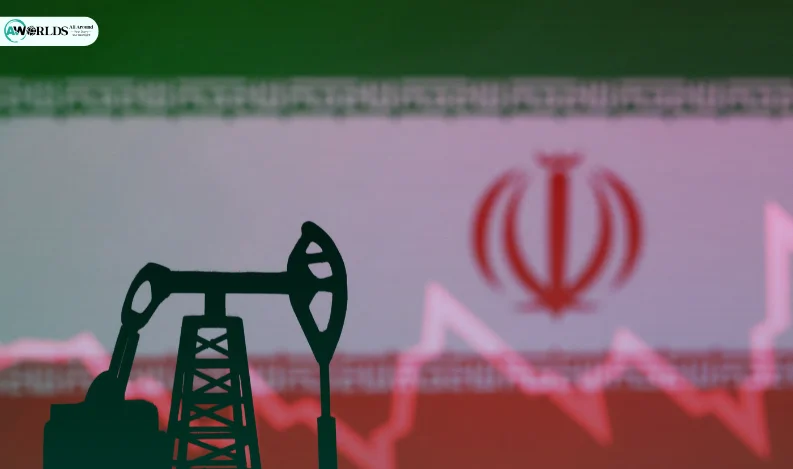
US Plans to ‘Unsanction’ Iranian Oil to Counter Price Surge Amid Conflict
The United States is considering temporarily lifting sanctions on Iranian oil already at sea as part of a strategy to stabilise global energy prices amid escalating conflict in the Middle East.
US Treasury Secretary Scott Bessent said the move could allow around 140 million barrels of Iranian oil currently in floating storage to enter global markets. The proposal comes as supply disruptions, particularly around the Strait of Hormuz, continue to push oil prices higher.
“In the coming days, we may unsanction the Iranian oil that’s on the water,” Bessent said in an interview, adding that the aim is to use “Iranian barrels against the Iranians” to ease price pressures during ongoing military operations.
Short-Term Supply Boost
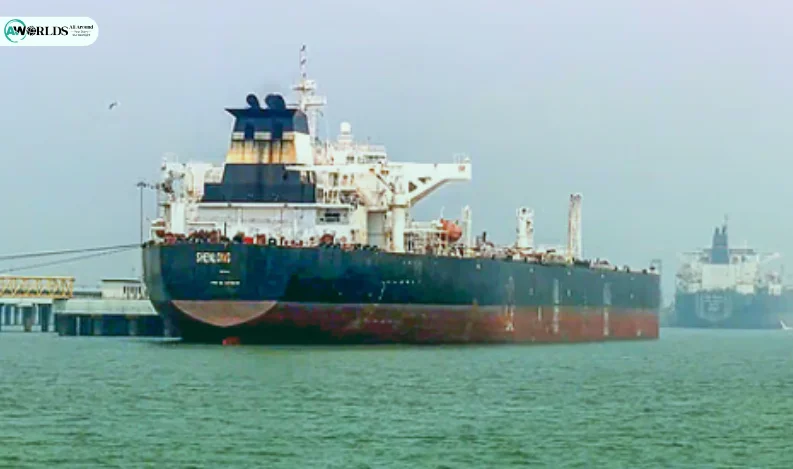
The proposed move would not involve new production but rather previously sanctioned oil already loaded on tankers. By allowing these shipments to be sold freely, the US could quickly inject additional supply equivalent to 10 to 14 days of global demand disruption.
Officials view this as a faster alternative to releasing reserves, helping to stabilise markets without immediately drawing down the Strategic Petroleum Reserve.
The strategy follows a similar step taken earlier with Russian oil in floating storage, which added significant volumes to global supply.
A Strategic Economic Move
The plan reflects a broader shift in how sanctions are being used — not just as restrictions, but as tools to influence market dynamics.
By releasing Iranian oil into the market, the US aims to:
-
Ease rising fuel prices
-
Reduce inflationary pressure
-
Limit Iran’s control over discounted oil sales
-
Redirect supply away from key buyers such as China
Oil prices have already surged significantly amid the conflict, adding pressure on global economies.
Concerns Over Effectiveness
Despite its potential benefits, the proposal has raised several concerns among analysts.
Critics argue the impact may be temporary, as the additional supply would only cover short-term shortages. Questions have also been raised about whether the oil has already been contracted, and whether the move could weaken the credibility of long-standing sanctions.
There are also broader concerns about legal and market implications, including how tanker routes and existing contracts may be affected.
Market Impact Remains Uncertain
Energy markets remain volatile, with traders closely watching whether the move will effectively cool prices or only provide temporary relief.
The plan highlights a growing reliance on economic tools alongside military strategy, as Washington seeks to manage both geopolitical tensions and their impact on global markets.





Recent Comments:
No comments yet.