
Trump Says U.S. Strikes Destroyed Military Targets on Iran’s Kharg Island
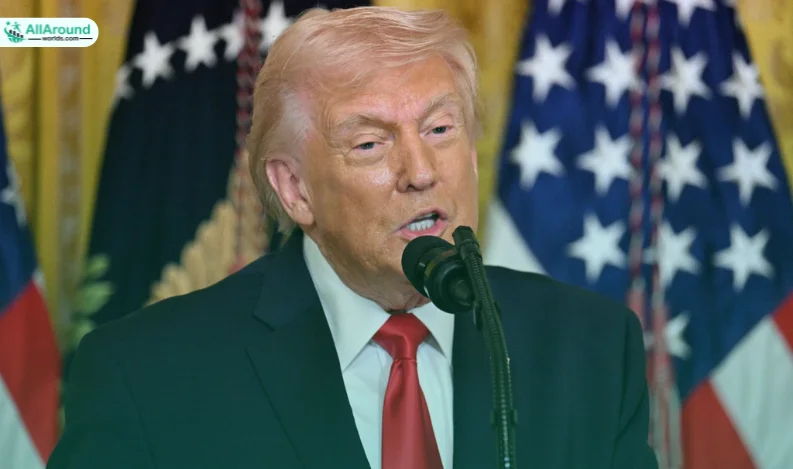
U.S. President Donald Trump said American forces carried out a major bombing operation targeting military installations on Iran’s strategically important Kharg Island, while deliberately avoiding damage to the island’s oil infrastructure.
In a post on his social media platform Truth Social on Friday, Trump stated that the U.S. Central Command executed a powerful airstrike that destroyed multiple Iranian military targets on the island.
According to the president, the operation successfully eliminated the intended military objectives without striking energy facilities that play a crucial role in global oil supply.
Trump described the mission as one of the most significant bombing raids carried out in the Middle East in recent history, claiming that every military target on Kharg Island had been destroyed.
Despite the scale of the attack, the U.S. leader said he intentionally chose not to target the island’s oil infrastructure, which analysts consider one of Iran’s most economically vital assets.
Trump warned that this restraint could change if Iran attempts to disrupt international shipping routes through the Strait of Hormuz, a critical maritime corridor used for global oil transportation.
“If Iran or anyone interferes with the free and safe passage of ships through the Strait of Hormuz, the decision not to strike the oil infrastructure could be reconsidered,” Trump said.
Shortly after his initial announcement, the president posted another statement claiming that Iran’s broader regional ambitions had been neutralized by the ongoing military campaign.
Later on Friday, speaking to reporters before boarding Air Force One, Trump said the military operation would continue for as long as necessary. He declined to provide a timeline for the conflict but suggested that U.S. forces were progressing faster than expected.
When asked about his earlier remarks calling for “unconditional surrender,” Trump said the phrase reflects what he described as the United States’ dominant strategic position in the conflict.
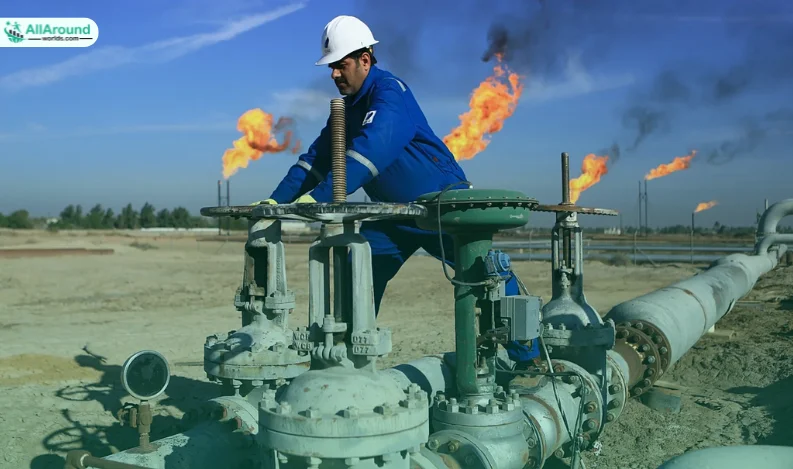
Kharg Island has drawn significant global attention in recent weeks due to its strategic and economic importance. Located roughly 15 miles off the Iranian mainland in the northern Persian Gulf, the island serves as the country’s primary oil export hub.
The small coral island, approximately five miles long, handles an estimated 90 percent of Iran’s crude oil exports and has a loading capacity of nearly 7 million barrels per day.
Because of its critical role in Iran’s economy, analysts say any direct attack on the island’s oil facilities would carry significant geopolitical and economic consequences.
Energy experts warn that damage to Kharg Island’s export infrastructure could sharply disrupt global oil markets and trigger a dramatic rise in fuel prices.
Some reports have suggested that U.S. officials have previously discussed the possibility of seizing the island as part of broader military planning. However, analysts say such an operation would likely require ground forces and pose major strategic risks.
The United States has so far focused on air and naval operations targeting Iranian military capabilities rather than attempting to control territory.
Defense officials have not ruled out additional military options if the conflict escalates further. U.S. Defense Secretary Pete Hegseth previously said that deploying American ground forces cannot be completely excluded, although Washington aims to avoid becoming deeply entangled in a prolonged conflict.
The military developments come at a time when global energy markets are already experiencing heightened volatility.
On Friday, Brent crude oil futures closed above $100 per barrel for the second consecutive day, reflecting growing concern among traders about the potential disruption of energy supplies from the Middle East.
Since the beginning of the Iran conflict, global oil prices have risen more than 40 percent, driven by fears that key shipping routes and oil export facilities could be affected.
Energy analysts say that Kharg Island’s oil terminal remains one of the most sensitive points in the global energy supply chain. Any disruption to its operations could significantly impact global oil flows.
The situation has also raised concerns among governments and energy companies about the stability of supply routes through the Persian Gulf.
The Strait of Hormuz, located near Kharg Island, is one of the world’s most critical maritime chokepoints. A large share of the world’s oil shipments passes through the narrow waterway each day.
Any escalation in military activity around the strait could potentially disrupt tanker traffic and trigger further price spikes in global energy markets.
White House officials have previously suggested that oil prices could eventually fall once the current military operation concludes and regional tensions ease.
However, analysts caution that as long as the conflict continues and shipping routes remain at risk, energy markets are likely to remain volatile.
For now, the decision to avoid targeting Iran’s oil infrastructure appears to be aimed at preventing a sudden shock to global energy supplies while maintaining military pressure on Iranian forces.





Recent Comments:
No comments yet.