
The Enigmatic Journey of Mark Zuckerberg: Shaping the Digital Epoch
In the digital age, few individuals have influenced online communication as significantly as Mark Zuckerberg. As the co-founder and CEO of Meta Platforms, the parent company of Facebook, Instagram, and WhatsApp, Zuckerberg has played a central role in shaping how people connect, share information, and interact online. His journey from a Harvard student developing a social networking platform to a global technology leader reflects innovation, ambition, and the challenges that accompany enormous digital influence.
From Prodigy to Programmer: The Early Years
Born on May 14, 1984, in White Plains, New York, Mark Zuckerberg developed an interest in computers and programming at an early age. With encouragement from his family, he began creating software and experimenting with digital communication tools. One of his early projects, ZuckNet, helped connect computers within his family home and his father's dental practice.
These early experiences strengthened his interest in technology and demonstrated how software could make communication more efficient. His curiosity and programming skills would later become central to one of the most influential social networking platforms in the world.
Harvard: The Birth of Facebook
Zuckerberg enrolled at Harvard University, where he developed the idea that students could use an online platform to connect with one another. In February 2004, he launched TheFacebook with fellow collaborators. Initially available to Harvard students, the platform soon expanded to other universities before opening to a broader audience.
Its real-name profiles and university-based communities helped establish a new model for online social interaction. Facebook gradually evolved from a campus networking website into a global platform, changing how people shared personal updates, maintained relationships, and communicated across geographical boundaries.
The Meteoric Rise of Facebook
Facebook's growth transformed it into a major force in the technology industry. Features such as the News Feed, photo sharing, groups, and business pages changed how individuals, communities, and companies engaged online. The platform also created new opportunities for digital advertising, influencer marketing, and online business development.
As its user base expanded, Facebook became increasingly important to the global digital economy. However, its influence also brought greater responsibility. Questions surrounding user privacy, content moderation, misinformation, and the impact of social media on public discussion became major challenges for Zuckerberg and his company.
Controversies and Challenges
Facebook's rapid expansion has been accompanied by significant controversy. The Cambridge Analytica scandal raised serious concerns about how personal information could be accessed and used for political purposes. The incident intensified public scrutiny and contributed to wider discussions about data protection, transparency, and accountability in the technology sector.
Meta has also faced ongoing debates over harmful content, platform safety, competition, and the effects of social media on younger users. These issues highlight the difficulties of managing digital platforms used by billions of people. Zuckerberg's leadership continues to be assessed not only through business performance but also through the company's approach to privacy, safety, and public trust.
The Chan Zuckerberg Initiative: Beyond Technology
Beyond his technology career, Zuckerberg has pursued philanthropic initiatives with his wife, Priscilla Chan. In 2015, they established the Chan Zuckerberg Initiative to support work in areas such as scientific research, education, and community development.
The initiative reflects their ambition to use technology, research, and long-term investment to address complex social challenges. Its work has included supporting scientific research and efforts to improve educational opportunities, although the scale and effectiveness of large philanthropic initiatives remain subjects of public discussion.
Leadership, AI, and Meta's Future
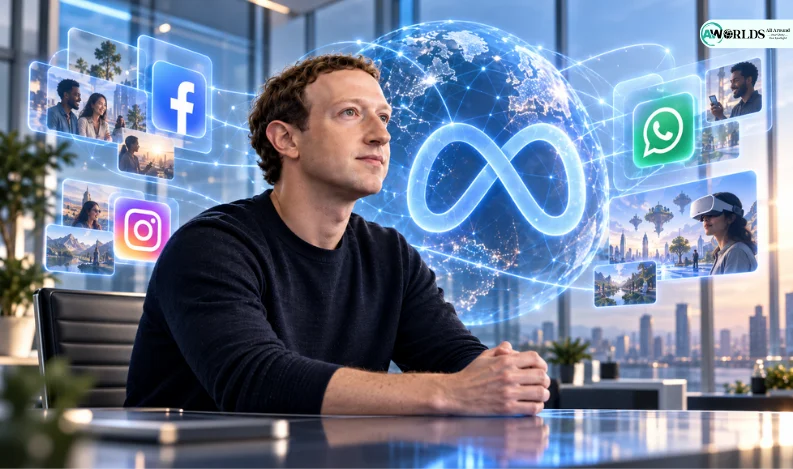
As CEO of Meta, Zuckerberg has overseen the company's expansion beyond its original social networking business. The 2021 rebranding from Facebook to Meta reflected a stronger focus on virtual reality, augmented reality, and the concept of the metaverse. More recently, artificial intelligence has become a major strategic priority, influencing Meta's products, advertising systems, and digital assistants.
These investments demonstrate Zuckerberg's continued interest in shaping emerging technologies. At the same time, the company faces questions about the cost of long-term innovation, competition in AI, data privacy, and the responsible deployment of increasingly powerful systems.
Zuckerberg's leadership has evolved alongside Meta's growing scale and complexity. Building products that reach billions of users requires balancing rapid innovation with security, accountability, and public expectations.
The Personal Side of Mark Zuckerberg
Although Zuckerberg is widely recognised for his business achievements, his personal life also attracts public interest. He married Priscilla Chan in 2012, and the couple have three daughters. Through their family life and philanthropic work, they have presented a more personal dimension of a figure often associated with technology, corporate strategy, and public controversy.
His interests outside business, including fitness and personal challenges, offer another perspective on a leader whose career has largely unfolded in the public eye.
Conclusion: The Zuckerberg Conundrum
Mark Zuckerberg's journey reflects both the transformative potential and the complex responsibilities of modern technology. Through Facebook and Meta, he has helped reshape global communication, digital marketing, and the development of emerging technologies. His achievements have been accompanied by persistent debates about privacy, misinformation, platform accountability, and the wider effects of social media.
As artificial intelligence and immersive digital experiences continue to develop, Zuckerberg's influence will remain closely connected to how Meta responds to technological opportunities and societal concerns. His legacy will ultimately depend not only on the platforms he builds but also on how responsibly those platforms serve the people who use them.
Also Read:-



Recent Comments:
No comments yet.