
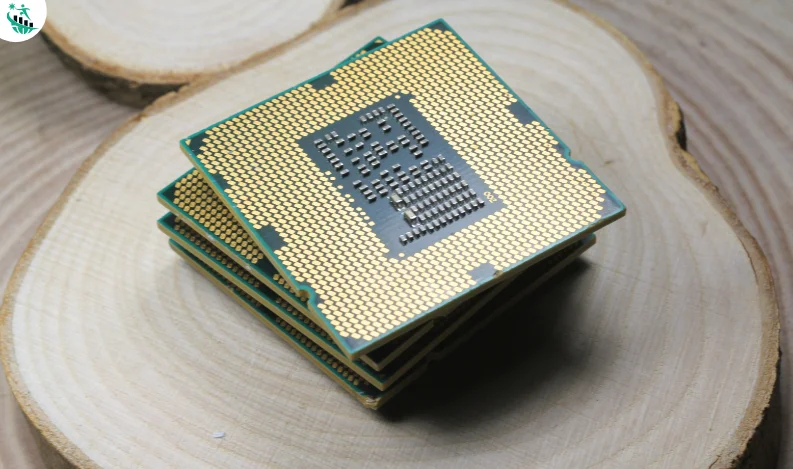
Tata, Intel deepen India semiconductor push with pact on chip supply chain and AI PCs
New Delhi — Tata Electronics has signed a Memorandum of Understanding with Intel to advance India’s growing semiconductor ambitions, marking a significant step in the country’s push to build a domestic chip supply chain and accelerate adoption of artificial intelligence-enabled computing.
Under the agreement, Tata and Intel will explore manufacturing and advanced packaging of Intel products at Tata Electronics’ upcoming facilities, including what is expected to be India’s first pure-play semiconductor foundry. The companies will also assess ways to scale AI-focused PC solutions for consumers and businesses across the country.
In a statement, Tata Group chairman N. Chandrasekaran said the collaboration aims to strengthen India’s position in the global electronics ecosystem. “Together [with Intel], we will drive an expanded technology ecosystem and deliver leading semiconductors and systems solutions, positioning us well to capture the large and growing AI opportunity,” he said.
Tata Electronics, formed in 2020, has been investing heavily in semiconductor fabrication, assembly and testing facilities as part of India’s broader efforts to reduce reliance on imported chips. The foundry will target production for sectors including artificial intelligence, automotive systems, computing and data storage.
Despite being one of the world’s largest electronics markets, India currently lacks large-scale chip design and fabrication capabilities. The government has been working to change that under the India Semiconductor Mission, which has approved more than 10 projects involving over $18 billion in commitments.
Intel CEO Lip-Bu Tan described the partnership as a “tremendous opportunity” to scale rapidly in a market experiencing strong PC demand and accelerated AI adoption. The tie-up also aligns with Intel’s strategy to expand its global manufacturing partnerships amid shifting geopolitical and supply chain dynamics.
As India seeks to position itself as an alternative hub to China for electronics manufacturing, collaborations such as Tata–Intel are expected to play a central role in shaping the country’s semiconductor roadmap over the coming decade.





Recent Comments:
No comments yet.