
Petrol Prices Fall in Key Markets; India Among Biggest Declines
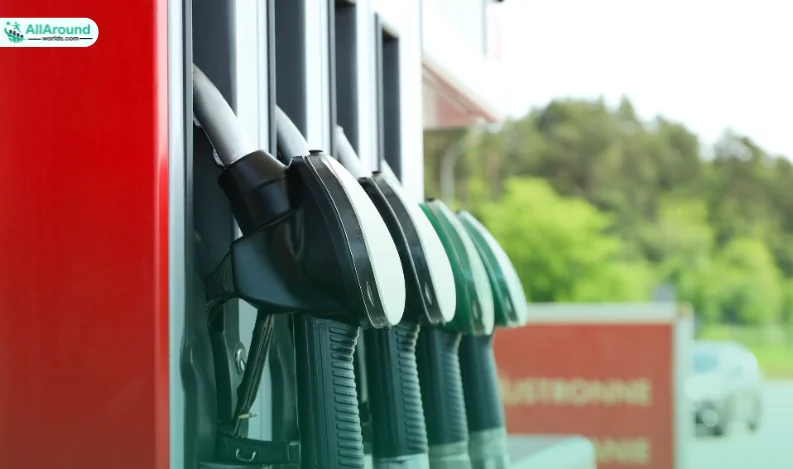
Petrol prices have declined sharply in several global markets over the past five years, with India ranking among the top countries where motorists are paying less today than in 2021.
According to Zutobi’s 2026 Global Gas Prices Report, Syria recorded the steepest fall in regular unleaded petrol prices, dropping from $9.27 per gallon in 2021 to $3.34 in 2026, a decline of nearly 64 per cent. Iran followed with a 50 per cent drop, while Japan saw prices fall by almost 23 per cent during the same period.
Lebanon, Egypt, Yemen, Chad, Central African markets, India and Sweden were also listed among the top ten countries where petrol costs have eased. The declines reflect a mix of subsidy policies, currency movements, domestic tax adjustments and global crude oil trends.
India’s inclusion in the list signals stabilisation in fuel costs after earlier volatility linked to global oil market disruptions. While the country has not seen dramatic price collapses like heavily subsidised economies, the broader trend points to easing pressure at the pump compared to 2021 levels.
Data indicates that fuel consumption in India has moderated slightly in early 2026 from record highs, although diesel demand continues to grow. Gasoline demand has shown marginal declines during the same period.
Market analysts say global petrol prices remain closely tied to geopolitical developments and supply expectations in the crude market.
Abdelaziz Albogdady, Market Research and Fintech Strategy Manager at FXEM, said oil markets continue to react sharply to political risks and diplomatic signals.
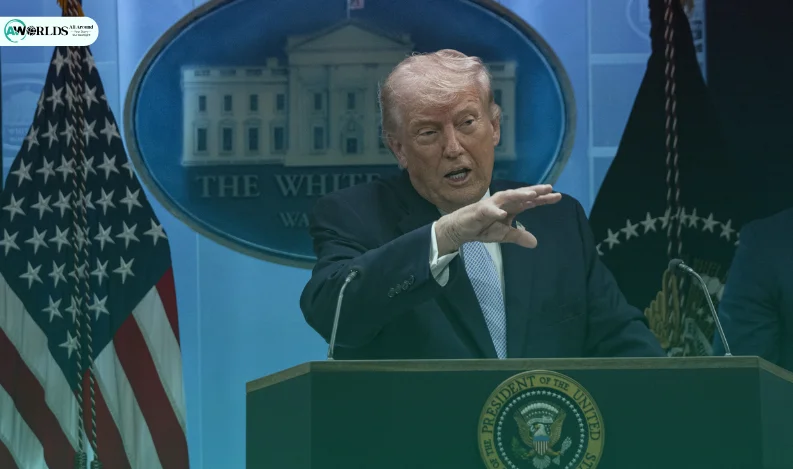
He noted that ongoing discussions between the United States and Iran in Geneva are being closely watched by traders. A breakdown in talks or heightened regional tensions could push oil prices higher, while diplomatic progress may ease supply concerns and weigh on crude prices.
Supply-side expectations are also influencing sentiment. Analysts point to the possibility that OPEC+ could increase production from April, potentially contributing to a projected global supply surplus in 2026. Such a move could add downward pressure on oil and fuel prices.
Vijay Valecha, Chief Investment Officer at Century Financial, said trading volumes in oil markets have been lighter, leading to uneven price movements. He added that while demand-supply fundamentals appear slightly bearish, crude prices remain supported by geopolitical risk premiums.
Regional developments continue to add uncertainty. Iran’s recent naval drills near the Strait of Hormuz, a key transit route for nearly one-fifth of global oil supply, have kept markets alert to potential disruptions. Political rhetoric in the region has further contributed to cautious sentiment among traders.
Despite declines in several markets, global petrol price differences remain wide.
Libya and Iran currently have some of the cheapest petrol globally at about $0.13 per gallon, followed by Venezuela at $0.16. In contrast, Hong Kong remains the most expensive market, with prices close to $17 per gallon, followed by Malawi and the Netherlands.
The disparities highlight how domestic taxes, subsidies and policy decisions often shape consumer fuel prices more strongly than global crude benchmarks alone.
Analysts expect petrol price movements in the coming months to remain sensitive to geopolitical negotiations, OPEC+ production decisions and demand trends across major economies, factors that will continue to influence costs for motorists worldwide.





Recent Comments:
No comments yet.