
Oil Prices Surge Above $100 as U.S. Moves to Blockade Iranian Ports After Failed Talks
Global oil prices surged sharply above $100 per barrel after the United States announced plans to impose a naval blockade on Iranian ports, following the collapse of peace negotiations with Iran.
According to United States Central Command (CENTCOM), the blockade will take effect on Monday at 10 a.m. ET, targeting all maritime traffic entering or leaving Iranian ports. The move is expected to significantly disrupt global energy flows.
Oil Markets React to Escalation
U.S. crude futures for May delivery jumped nearly 8% to $104.20 per barrel, while Brent crude rose about 7% to $101.86, reflecting immediate market concerns over supply disruptions.
The escalation comes amid growing instability in the Strait of Hormuz, a vital shipping route through which around 20% of the world’s oil supply typically passes.
U.S. Confirms Naval Blockade
CENTCOM stated that the blockade would be enforced against vessels of all nations accessing Iranian ports across the Arabian Gulf and the Gulf of Oman. However, it clarified that ships traveling to non-Iranian ports would not be affected.
Donald Trump confirmed the decision, stating that the U.S. Navy has been ordered to intercept vessels that have paid transit fees to Iran for passage through the Strait of Hormuz.
The announcement follows the failure of diplomatic talks aimed at de-escalating tensions between Washington and Tehran.
Tensions Rise After Failed Negotiations
Peace talks between the United States and Iran ended without agreement, with U.S. officials citing the lack of a clear commitment from Tehran regarding its nuclear program.
JD Vance, who led the U.S. delegation, said negotiations stalled due to concerns over Iran’s intentions related to nuclear development.
Iranian officials, meanwhile, accused the United States of failing to build trust during the discussions.
Shipping Disruptions Intensify
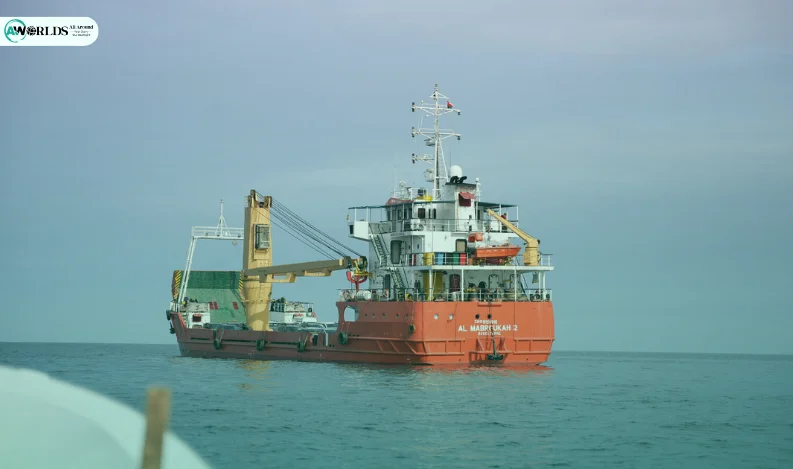
Tanker traffic through the Strait of Hormuz has already dropped sharply amid security concerns. While only a handful of vessels continue to pass through the corridor, activity remains significantly below pre-conflict levels.
Each passing tanker can carry up to two million barrels of oil, underscoring the scale of potential supply disruption if the situation worsens.
Iranian leadership has also reiterated its control over the strait. Senior officials have indicated that safe passage remains conditional, adding further uncertainty to global shipping operations.
Global Energy Markets Under Pressure
Analysts warn that the ongoing disruptions could trigger one of the largest oil supply shocks in recent history. Rising prices are expected to impact not only energy markets but also transportation costs, manufacturing, and consumer prices worldwide.
The situation remains fluid, with the potential for further escalation, including possible military action, continuing to weigh heavily on global markets.





Recent Comments:
No comments yet.