

Oil slips as U.S. inventory rise offsets UAE supply concerns
Oil prices edged lower on Wednesday, as a sharp rise in U.S. crude inventories offset growing concerns over supply disruptions following attacks on energy infrastructure in the United Arab Emirates.
Brent crude fell to around $102 per barrel, while U.S. crude dropped below $95, despite escalating tensions in the Middle East.
U.S. inventories weigh on prices
Market data showed that U.S. crude stocks rose by more than 6 million barrels last week, significantly higher than expectations. The increase eased immediate concerns about supply shortages and put downward pressure on prices.
Analysts said the build in inventories signalled that supply conditions, for now, remain stable despite geopolitical risks.
Attacks raise supply concerns
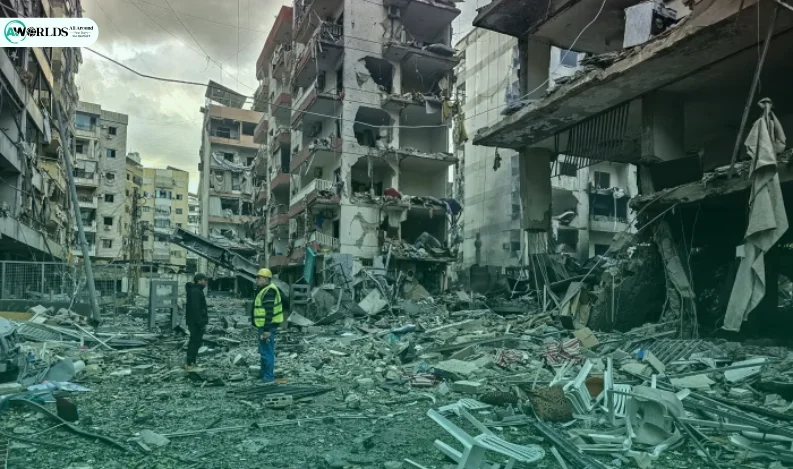
The price decline came even as recent attacks in the UAE highlighted risks to global energy flows. Incidents included drone strikes on key facilities, a fire at the Fujairah oil hub, and damage to a tanker near the Strait of Hormuz.
Operations at the Shah gas field remain suspended following a separate attack, though no injuries have been reported.
The Strait of Hormuz remains a critical chokepoint for global oil trade, with roughly a fifth of the world’s supply passing through the route.
Mixed signals for the market
While the attacks have raised fears of prolonged disruption, some market participants pointed to signs of stabilisation. U.S. strikes on Iranian missile sites near the Strait have led to expectations that tanker traffic could resume more safely in the coming weeks.
This has helped limit upward pressure on oil prices in the short term.
Outlook remains uncertain
Analysts warn that oil markets could remain volatile. If disruptions in the Gulf continue for several weeks, prices could rise again as supply tightens.
In a more severe scenario involving prolonged outages or wider damage to infrastructure, oil prices could climb sharply in the coming months.
For now, the market remains caught between strong supply data from the U.S. and ongoing geopolitical risks in the Middle East.




Recent Comments:
No comments yet.