
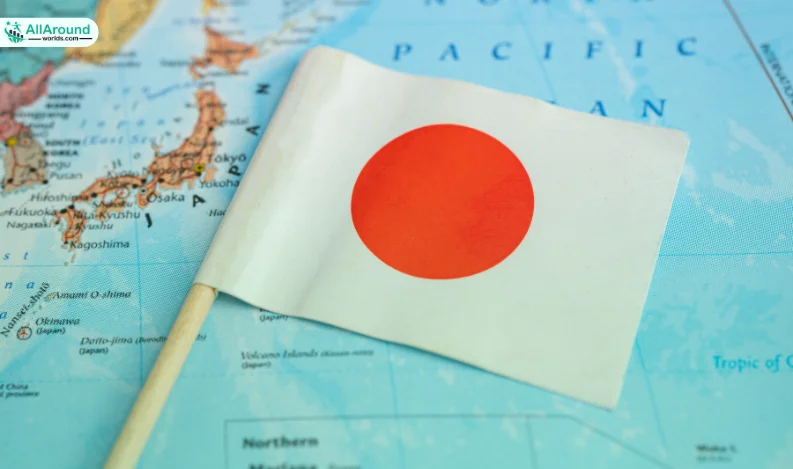
Japan Set to Become World’s Third-Largest Defence Spender Amid Military Expansion
Japan is on course to become the world’s third-largest defence spender, following the approval of a record military budget that signals a decisive shift in the country’s postwar security posture as regional tensions continue to intensify.
Japan’s Cabinet on Friday approved a defence budget plan exceeding 9 trillion yen (€48.8 billion) for the 2026 fiscal year beginning in April. The allocation represents a 9.4 per cent increase from the previous year and marks the fourth year of Japan’s five-year programme to double defence spending to 2 per cent of gross domestic product.
Defence Minister Shinjiro Koizumi described the budget as essential, citing what he called the most severe and complex security environment Japan has faced in the postwar era. While reaffirming Japan’s constitutional commitment to peace, Koizumi said the country must strengthen its ability to defend itself and protect its population.
If approved by parliament by March, the defence budget will form part of a 122.3 trillion yen (€663 billion) national spending bill. The five-year rearmament plan would place Japan behind only the United States and China in global military expenditure.
The government, led by Prime Minister Sanae Takaichi, plans to finance the defence buildup through a mix of corporate and tobacco tax increases, with income tax hikes scheduled to begin in 2027. However, officials have acknowledged uncertainty over whether defence spending could rise further as a share of GDP beyond current targets.
Takaichi has previously stated that Japan could become directly involved in a conflict if China were to take military action against Taiwan, a position that reflects Tokyo’s growing concern over Beijing’s assertiveness in the region. Under pressure from its key ally, the United States, Japan has also pledged to meet the 2 per cent spending goal two years earlier than originally planned.
Japan is expected to revise its national security and defence strategy again by December 2026 as part of its broader military modernisation drive.
A major focus of the new budget is the expansion of Japan’s long-range strike capability, a significant departure from its long-standing policy of limiting military force strictly to self-defence. The current security strategy, adopted in 2022, identifies China as Japan’s most serious strategic challenge and calls for a more proactive role for the Self-Defence Forces under the US–Japan alliance.
The budget includes 177 billion yen (€960 million) for the purchase of upgraded, domestically produced Type-12 surface-to-ship missiles, which have an estimated range of about 1,000 kilometres. The first deployment of these missiles is planned for Japan’s southwestern Kumamoto prefecture by March, a year ahead of schedule, as Tokyo accelerates defensive preparations in the region.
Japan is also placing increased emphasis on unmanned systems as it grapples with an ageing population and persistent recruitment shortages within its armed forces. The government plans to spend 100 billion yen (€542 million) on the deployment of large numbers of aerial, surface and underwater drones for coastal surveillance and defence under a programme known as SHIELD, scheduled for rollout by March 2028. Officials say initial acquisitions are likely to rely on imports, potentially from Turkey or Israel, to speed up deployment.
Tensions with China have risen in recent months. Japan has protested Chinese aircraft carrier exercises near its southwestern islands, including incidents in which Chinese forces reportedly locked radar onto Japanese aircraft, a move Tokyo views as a possible precursor to missile targeting. In response, Japan’s Defence Ministry plans to establish a new office dedicated to analysing China’s expanding military operations in the Pacific.
The ministry has expressed particular concern over the appearance of two Chinese aircraft carriers operating simultaneously near Iwo Jima earlier this year, a first that underscored Beijing’s growing ability to project power far beyond the East China Sea.
China has criticised Japan’s military expansion. Foreign Ministry spokesperson Lin Jian said Tokyo has accelerated its defence buildup since Takaichi took office, warning that Japan is moving away from what Beijing describes as a path of peaceful development.
Alongside strengthening its own forces, Japan is seeking to revitalise its domestic defence industry through joint development projects and expanded exports. The 2026 budget allocates more than 160 billion yen (€867 million) to the joint development of a next-generation fighter jet with Britain and Italy, targeted for deployment in 2035. The programme also includes research into artificial intelligence-controlled drones designed to operate alongside the aircraft.
In a further boost for Japan’s defence sector, Mitsubishi Heavy Industries was selected by Australia earlier this year to upgrade the Mogami-class frigate to replace its ageing ANZAC-class fleet.
Together, these measures underscore a profound transformation in Japan’s defence policy, as the country moves away from decades of restraint toward a more assertive military role amid shifting regional power dynamics.




Recent Comments:
No comments yet.