
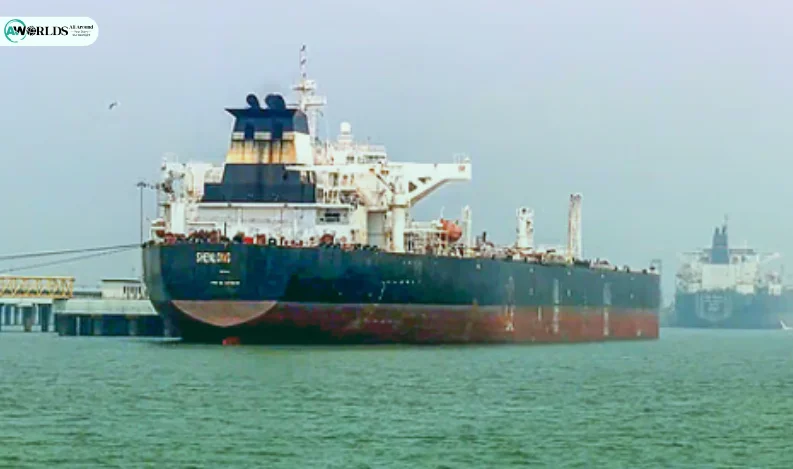
Hormuz Traffic Drops 95% as Conflict Disrupts Key Oil Route
Shipping activity through the Strait of Hormuz has dropped by nearly 95% since the start of March, as escalating conflict in the Middle East disrupts one of the world’s most critical oil transit routes.
Data from maritime analytics firms shows that between March 1 and March 19, commodity carriers recorded only 116 crossings through the strait, compared to typical daily traffic of around 120 vessels. Most of the limited movements were outbound shipments, indicating that inbound traffic has largely stalled.
The disruption follows military strikes by the United States and Israel on Iran on February 28, which triggered retaliatory actions across the region and heightened risks for commercial shipping.
At least 23 commercial vessels, including 11 oil tankers, have been attacked or reported incidents in the Gulf, the Strait of Hormuz, and the Gulf of Oman since March 1, according to maritime security monitoring agencies. Additional unverified claims of attacks have added to uncertainty for shipping operators.
The crisis has also taken a human toll. The International Maritime Organization reported that at least eight seafarers and dock workers have been killed, with four individuals missing and several others injured.
Around 20,000 people, including seafarers, port workers, and offshore crews, remain stranded in the region as vessels await safe transit. Industry estimates indicate that nearly 3,200 vessels are currently present in the wider area, including approximately 250 oil tankers — representing about 5% of global crude tanker capacity.
The disruption is pushing up costs across the energy supply chain. Ship fuel prices have risen by 87% since the conflict began, while crude shipping costs have doubled to around $10 per barrel, according to industry data.
The Strait of Hormuz is a vital global chokepoint, handling nearly one-fifth of the world’s oil and liquefied natural gas flows under normal conditions. Any sustained disruption is expected to increase volatility in global energy markets and impact supply for major importing nations.





Recent Comments:
No comments yet.