
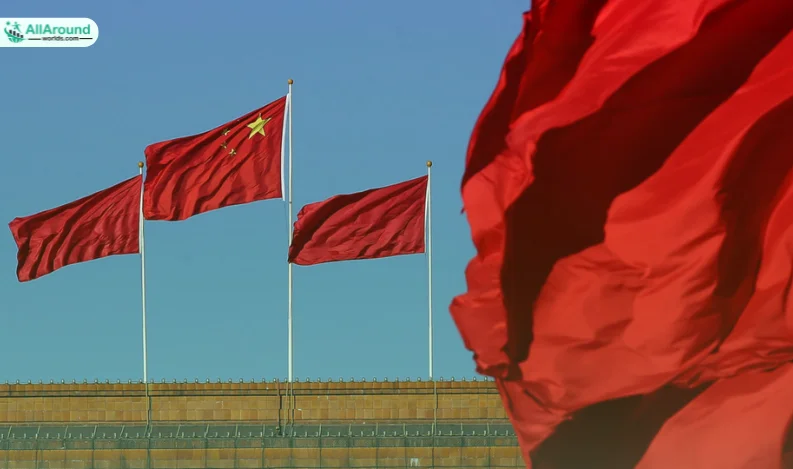
Hong Kong moves ahead with stablecoin plans despite Beijing’s opposition
Hong Kong: Hong Kong Monetary Authority is pressing ahead with plans to issue its first stablecoin licences in March, despite China’s continued opposition to cryptocurrency activity.
Eddie Yue, Chief Executive of the HKMA, said the regulator is reviewing 36 applications from potential stablecoin issuers and expects to make licensing decisions next month. He made the remarks during a Legislative Council meeting on February 2.
The move comes after reports that Beijing had raised concerns about Hong Kong’s stablecoin plans, delaying progress last year.
Stablecoins are digital tokens designed to maintain stable value by being pegged to assets such as fiat currencies or gold.
New law already in place
Hong Kong passed its Stablecoins Ordinance in May, requiring companies to obtain licences if they issue stablecoins in the city or peg them to the Hong Kong dollar. The law came into force in August, and applications opened shortly afterward.
The HKMA has said potential use cases include cross-border payments and tokenised deposit systems used by international banks.
Industry participants say Hong Kong dollar-backed stablecoins could allow faster refunds, cheaper cross-border transfers and clearer foreign exchange pricing.
Beijing maintains crypto ban
While Hong Kong operates under the “one country, two systems” framework, Beijing retains influence over major policy decisions and has taken a strict stance on cryptocurrencies.
China imposed a full ban on crypto trading and mining in 2021, citing risks linked to volatility, financial stability and illegal activity.
Chinese regulators have recently reaffirmed that position, issuing statements warning against unauthorised crypto activity, including yuan-linked stablecoins.
Analysts say Beijing remains concerned about loss of monetary control and the circulation of digital currencies beyond regulatory oversight.
Controlled rollout, not policy shift
Experts describe Hong Kong’s approach as a limited and tightly controlled experiment, rather than a reversal of China’s crypto ban.
They say the licensing framework allows Hong Kong to test regulated digital asset use while Beijing continues to restrict crypto activity on the mainland.
Hong Kong officials have said the city does not intend to create a liberal crypto environment, but aims to provide regulatory clarity for approved and supervised digital asset activity.




Recent Comments:
No comments yet.