
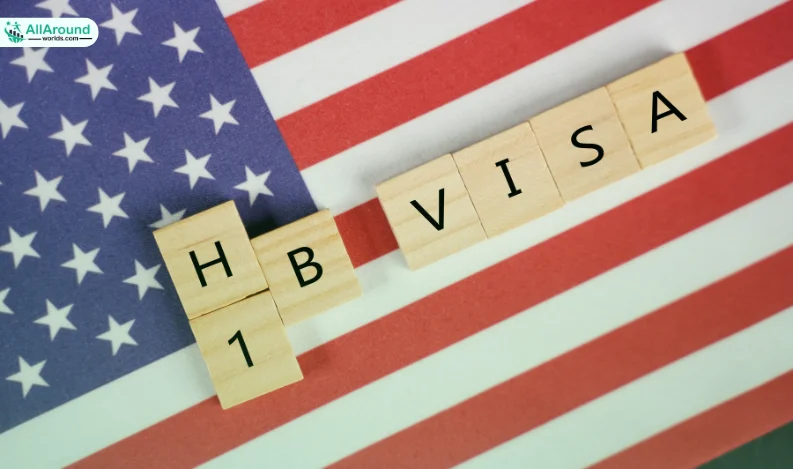
H-1B Visa Applicants Face Fresh Disruptions Amid Social Media Checks and Wage Rules
Applicants for U.S. H-1B visas are facing renewed uncertainty as the U.S. administration rolls out tighter screening measures and proposes stricter wage protections that could significantly limit employer participation in the program.
The U.S. Embassy in India confirmed this week that it has begun reviewing the online presence of all H-1B and H-4 visa applicants, a move aimed at addressing what officials describe as abuse of the visa system. The reviews, which came into effect on December 15, extend to social media activity and publicly available digital profiles.
The added scrutiny coincides with a proposal from the U.S. Department of Labor to strengthen wage protection rules for H-1B workers. Immigration experts warn that the proposed changes could discourage companies from sponsoring foreign professionals by sharply increasing mandatory salary thresholds.
“This would substantially raise prevailing wage requirements across the board,” said Manish Daftari, a partner at immigration consultancy Vialto Partners. “Once implemented, companies are likely to reduce the number of H-1B sponsorships.”
In parallel, the Department of Homeland Security is reported to be close to finalising a weighted lottery system that would prioritise higher-paid applicants during the H-1B selection process. Analysts say such a system would disadvantage recent graduates and early-career professionals, even in high-demand or emerging technology fields.
“These changes could make the H-1B visa largely inaccessible to young professionals,” said Cecilia Esterline, senior immigration policy analyst at the Niskanen Center.
The impact is expected to be felt most strongly by Indian nationals, who account for more than 70 percent of H-1B visa recipients in recent years. Technology firms including Amazon, Meta, Microsoft, Tata Consultancy Services, and Google are among the largest sponsors of H-1B workers, according to U.S. Citizenship and Immigration Services data.
Visa processing delays have already intensified. Immigration advisers report widespread rescheduling of visa appointments at U.S. consulates in India, often with little or no notice, as officials adapt to the new social media vetting requirements. Many appointments originally scheduled for December and January have been pushed to March, April, or later.
The U.S. Department of State has said social media reviews are part of standard global visa screening, designed to identify security concerns or inconsistencies in applicant information. Critics, however, argue that applying the policy to renewal cases is inefficient and risks creating unnecessary delays for U.S. employers.
The measures also carry political undertones. U.S. Vice President JD Vance has defended restrictions on the program, arguing that companies should not bypass domestic workers by relying on cheaper foreign labour. The comments echo policies backed by Donald Trump, including a steep increase in H-1B visa application fees.
The tougher stance has drawn legal challenges. The U.S. Chamber of Commerce and attorneys general from multiple U.S. states have filed lawsuits against the administration, arguing that excessive fees and restrictions harm businesses and economic growth.
Despite the mounting obstacles, analysts note that demand for skilled technology workers in the U.S. remains strong, suggesting that future policy adjustments may still be necessary to balance labour needs with political pressures.



Recent Comments:
No comments yet.