
German Investor Confidence Plunges as Middle East Tensions Shake Markets
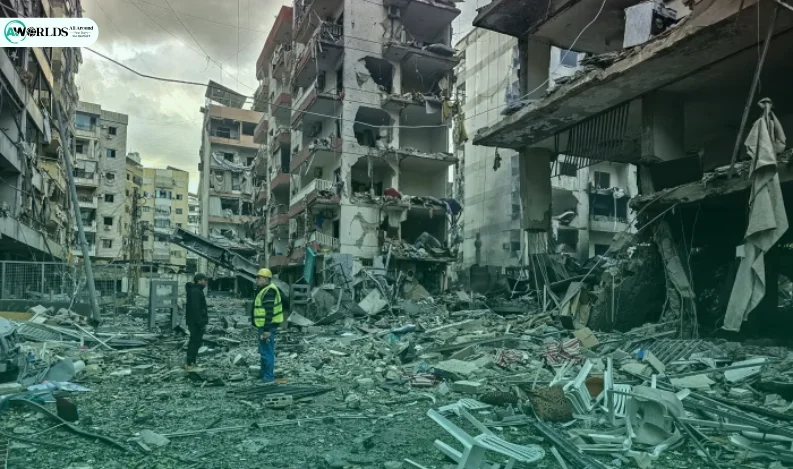
German investor confidence has suffered a dramatic decline, with the latest data revealing a sharp reversal in sentiment as escalating tensions in the Middle East unsettle European markets and fuel concerns over rising energy costs.
According to the Centre for European Economic Research (ZEW), its closely watched Indicator of Economic Sentiment for Germany dropped from 58.3 points in February to -0.5 in March—marking its lowest level in nearly a year and falling well below market expectations.
The steep decline highlights growing anxiety among financial experts about the sustainability of Germany’s fragile economic recovery, particularly as geopolitical instability continues to disrupt global energy markets.
Energy Costs Drive Economic Concerns
Analysts attribute the sharp deterioration in sentiment largely to surging oil and gas prices, which have intensified following the escalation of conflict in the Middle East. The rise in energy costs is placing renewed pressure on inflation and increasing uncertainty for businesses across Europe.
Germany’s energy-intensive industries—including steel, chemicals and cement—are expected to bear the brunt of the impact. Higher operational costs could weaken production capacity and slow industrial output, further complicating the country’s recovery trajectory.
ZEW President Professor Achim Wambach warned that ongoing geopolitical instability is amplifying economic risks, noting that prolonged conflict could significantly hinder growth momentum in Europe’s largest economy.
Eurozone Sentiment Also Declines
The downturn is not limited to Germany. Investor confidence across the eurozone has also weakened considerably, with the region’s ZEW expectations index falling into negative territory.
The eurozone sentiment index dropped to -8.5 in March, down sharply from 39.4 in February, reflecting growing concern over inflationary pressures and supply chain disruptions linked to rising energy prices.
Economists note that while the immediate impact on first-quarter economic performance may be limited, the full effects are likely to emerge in the coming months as higher energy costs begin to affect household spending and business investment.
Inflation Pressures Intensify
Survey data indicates that a significant majority of analysts expect inflation to rise across both Germany and the eurozone. Elevated energy prices are expected to translate into higher consumer costs, placing pressure on real incomes and potentially dampening demand.
However, experts suggest that the current situation, while serious, may not reach the scale of previous crises. Comparisons with the 2022 energy shock triggered by the Russia-Ukraine conflict indicate that the present disruption, though impactful, could remain relatively contained if geopolitical tensions do not escalate further.
Outlook Remains Uncertain
While assessments of current economic conditions showed slight improvement, forward-looking expectations remain firmly negative. Much will depend on the duration and intensity of the Middle East conflict, as well as its continued impact on global energy flows.
For now, investor sentiment reflects a cautious and uncertain outlook, as Europe navigates a complex mix of geopolitical risk, inflationary pressure and fragile economic recovery.





Recent Comments:
No comments yet.