
Fed Holds Rates Steady, Flags ‘Uncertain’ Impact of Iran War on Economy
The US Federal Reserve has kept its benchmark interest rates unchanged, highlighting uncertainty surrounding the economic impact of the ongoing Iran conflict while continuing to monitor inflation and growth trends.
The Federal Open Market Committee (FOMC) voted 11-1 to maintain the federal funds rate within the 3.5%–3.75% range, a decision widely anticipated by markets. Policymakers are balancing persistent inflation pressures, mixed labor market signals, and rising geopolitical risks.
In its post-meeting statement, the Fed acknowledged that developments in the Middle East could influence the economic outlook but stressed that the overall impact remains unclear. “The implications of developments in the Middle East for the US economy are uncertain,” the statement noted.
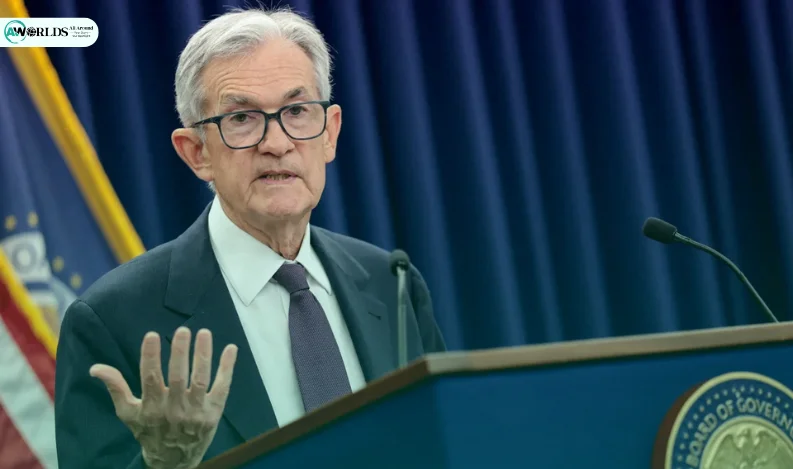
Federal Reserve Chair Jerome Powell echoed this caution, stating it is “too soon to know” the full extent of the conflict’s economic consequences. However, he indicated that rising oil prices linked to supply disruptions are already pushing short-term inflation expectations higher.
Updated projections show inflation is expected to reach 2.7% this year, while economic growth is forecast at 2.4%, slightly stronger than previous estimates. The unemployment rate is projected to remain stable at 4.4%.
Despite current uncertainties, the Fed continues to signal a gradual easing path. The central bank’s “dot plot” suggests one interest rate cut in 2026, with another likely in 2027, although the exact timing remains uncertain.
Market expectations have shifted in recent weeks, with earlier projections of multiple rate cuts scaled back due to rising oil prices and persistent inflation data.
The decision comes amid a complex political backdrop, with ongoing pressure from US President Donald Trump urging the Fed to lower borrowing costs. At the same time, leadership uncertainty persists as Powell approaches the end of his term, with former Fed Governor Kevin Warsh expected to succeed him.
As geopolitical tensions and inflation risks continue to evolve, the Federal Reserve is expected to maintain a cautious, data-driven approach in its monetary policy decisions.






Recent Comments:
No comments yet.