
China’s Annual Trade Surplus Reaches Record $1.2 Trillion as U.S. Trade Falls Sharply
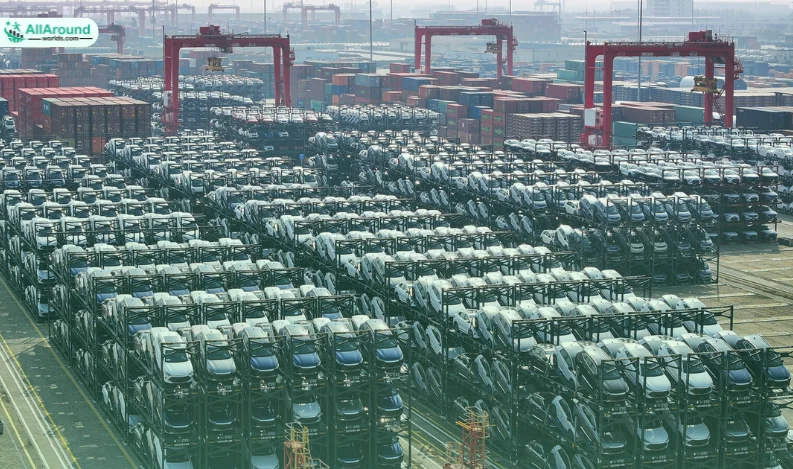
China’s annual trade surplus surged to a record level in 2025, driven by stronger-than-expected export growth, even as trade with the United States declined sharply amid lingering tariff tensions and shifting global trade patterns.
Chinese customs data released Wednesday showed exports rose 6.6% in U.S. dollar terms in December from a year earlier, significantly beating analysts’ expectations for a 3% increase and accelerating from November’s 5.9% growth. Imports also surprised on the upside, climbing 5.7% year-on-year, the fastest pace in three months and well above forecasts of 0.9%, according to market estimates compiled by Reuters.
For the full year, China’s exports grew 5.5%, while imports remained largely flat. This imbalance pushed the country’s trade surplus to approximately $1.19 trillion, marking a 20% increase from 2024 and the highest level on record.
Despite the headline strength, trade flows between China and the United States weakened considerably. Shipments to the U.S. plunged 30% in December compared with a year earlier, marking the ninth consecutive month of decline, while imports from the U.S. fell 29%. Over the full year, China’s exports to the U.S. dropped 20%, while imports declined 14.6%, highlighting the continued impact of trade frictions.
Lv Daliang, a spokesperson for China’s customs authority, said bilateral trade relations should remain “mutually beneficial,” amid ongoing efforts to stabilise external trade ties.
As Chinese exporters redirected shipments toward non-U.S. markets, the expanding trade surplus has raised concerns among major trading partners, including the European Union. Exports to the EU and the Association of Southeast Asian Nations rose 12% and 11% respectively in December. Imports from European countries jumped 18%, while those from Southeast Asia fell 5%.
International organisations have warned that China’s growing reliance on exports could strain the global trading system. Kristalina Georgieva, Managing Director of the International Monetary Fund, urged Beijing in December to accelerate efforts to boost domestic consumption and reduce dependence on external demand.
Eswar Prasad, senior fellow at the Brookings Institution, cautioned that China’s widening trade surplus could have a destabilising impact on global trade, prompting countries to erect protective barriers as domestic demand in China remains weak.
Chinese officials have pledged to expand imports and work toward a more balanced trade structure. However, analysts expect near-term policy settings to remain largely unchanged. Zhiwei Zhang, president and chief economist at Pinpoint Asset Management, said strong export performance is helping offset soft domestic demand, allowing Beijing to maintain its current macroeconomic stance at least through the first quarter.
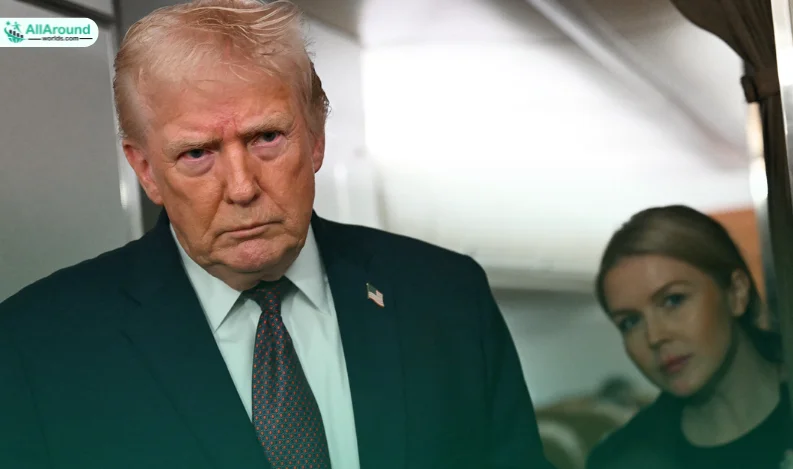
Trade tensions with the U.S. eased modestly late last year after China and the United States agreed to roll back some export controls and tariffs under a one-year trade truce following talks between Chinese President Xi Jinping and U.S. President Donald Trump.
China is set to release its fourth-quarter and full-year gross domestic product data next week. Economists polled by Reuters expect growth of 4.5% in the final quarter, below Beijing’s full-year growth target of around 5%, as the nearly $19 trillion economy continues to grapple with deflationary pressures, a prolonged property sector downturn, and subdued consumer confidence.






Recent Comments:
No comments yet.