
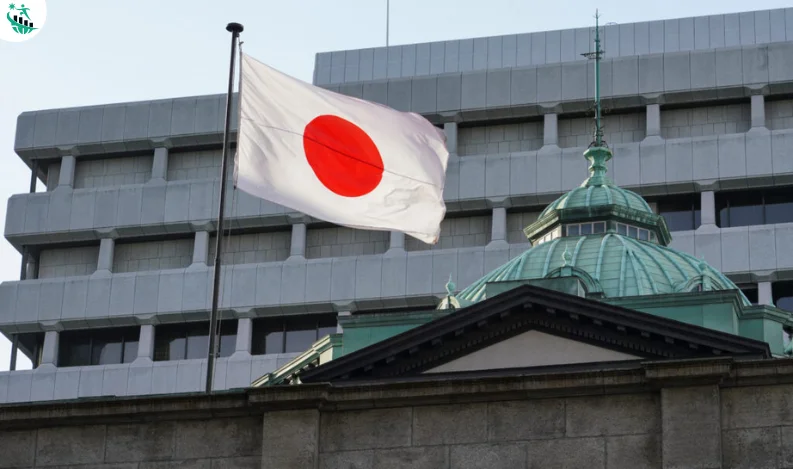
Bank of Japan faces pressure as bond yields hit highest levels in decades
Japan’s central bank is under growing pressure as government bond yields continue to climb, raising questions about how it will manage its next policy move.
On Thursday, the yield on the benchmark 10-year Japanese government bond rose to 1.917%, the highest level since 2007. Long-term yields climbed even further: the 20-year yield reached 2.936%, and the 30-year touched a record 3.436%, according to LSEG data.
The Bank of Japan scrapped its long-running yield curve control policy in early 2024, ending years of capped bond yields. But with inflation remaining above the BOJ’s 2% target for 43 straight months, the central bank has been preparing markets for further policy normalization.
Now it faces a dilemma:
-
If it raises rates, yields could rise even more, tightening conditions for an already weak economy.
-
If it holds or cuts rates, inflation could accelerate further, and the yen may weaken, worsening imported cost pressures.
Analysts warn that returning to bond-buying tools such as yield curve control would likely weaken the yen, adding to inflation concerns.
Japan’s rising yields also mean higher borrowing costs for a country already carrying the world’s largest public debt load, almost 230% of GDP. The government is preparing its biggest stimulus package since the pandemic, adding 11.7 trillion yen in new debt, a sharp jump from last year.
The rise in yields has also revived attention on global markets. In 2024, a sharp BOJ shift triggered a major unwinding of yen-funded carry trades, causing global stock markets to slump. Experts say a repeat is unlikely, but some volatility is expected as the Japan–U.S. rate gap narrows.
Despite higher domestic yields, Japanese investors have not been pulling money back home. HSBC data shows they bought 11.7 trillion yen in foreign bonds from January to October 2025, far more than all of 2024, supported by retail inflows through the government’s tax-exempt savings program.
Analysts expect global conditions, including further U.S. rate cuts, to keep hedging costs lower and maintain Japanese demand for overseas bonds.







Recent Comments:
No comments yet.