

Bitcoin Falls Over 5%, Slips Below $64,000 Amid Rising Global Tensions
Bitcoin extended its losses on Tuesday, dropping more than 5 percent and falling below the $64,000 mark as investors reacted to mounting tariff tensions and escalating geopolitical risks in the Middle East.
The world’s largest cryptocurrency fell to an intraday low of $63,396 before hovering near $63,300 in late trading. The decline reflects a broader retreat from risk-sensitive assets as market participants reassess exposure amid global uncertainty.
Market analysts said the latest pullback appears to be driven less by crypto-specific factors and more by broader macroeconomic and geopolitical developments.
“The move lower in bitcoin looks less like a crypto-specific shock and more like a classic risk-sentiment reset,” said Christopher Hamilton, Head of Client Investment Solutions, APAC ex Japan at Invesco. He added that the decline likely represents “tactical de-risking” rather than a long-term structural exit from digital assets.
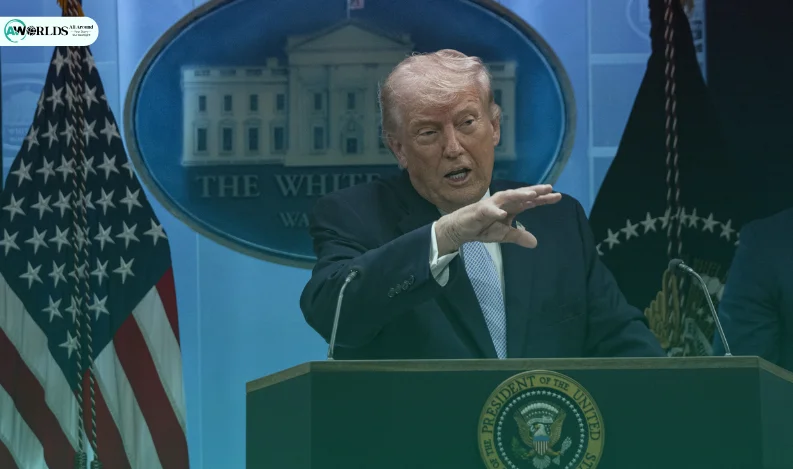
Investors have grown increasingly cautious in recent days following renewed discussions of tariffs and rising geopolitical tensions. Last week, U.S. President Donald Trump indicated that he would decide “over the next probably 10 days” whether to initiate a military strike on Iran amid ongoing disagreements over a proposed nuclear agreement.
Since those remarks, tensions have intensified, with Washington continuing to deploy military assets across the Middle East. The developments have contributed to volatility across global financial markets, including equities, commodities, and cryptocurrencies.
Bitcoin, often described as a digital store of value, has in recent years traded more closely in line with traditional risk assets such as technology stocks. During periods of uncertainty or geopolitical strain, investors typically shift funds toward safer instruments, reducing exposure to volatile assets like cryptocurrencies.
Despite the sharp decline, some analysts believe the broader bullish narrative for bitcoin remains intact. They argue that short-term fluctuations driven by macro headlines do not necessarily undermine the longer-term adoption trends supporting digital assets.
However, near-term volatility is expected to persist as markets continue to respond to geopolitical developments and potential policy shifts. Traders are closely monitoring diplomatic signals, military movements, and further guidance from U.S. officials, which could influence investor sentiment in the coming days.
The cryptocurrency market as a whole mirrored bitcoin’s weakness, with several major tokens posting declines alongside the flagship digital asset. Trading volumes increased during the sell-off, indicating heightened activity as investors reposition portfolios.
For now, bitcoin’s movement appears tied to broader global risk dynamics rather than internal market disruptions. Whether the pullback deepens or stabilizes may depend largely on how geopolitical tensions evolve and whether policymakers signal efforts to ease market uncertainty.






Recent Comments:
No comments yet.