
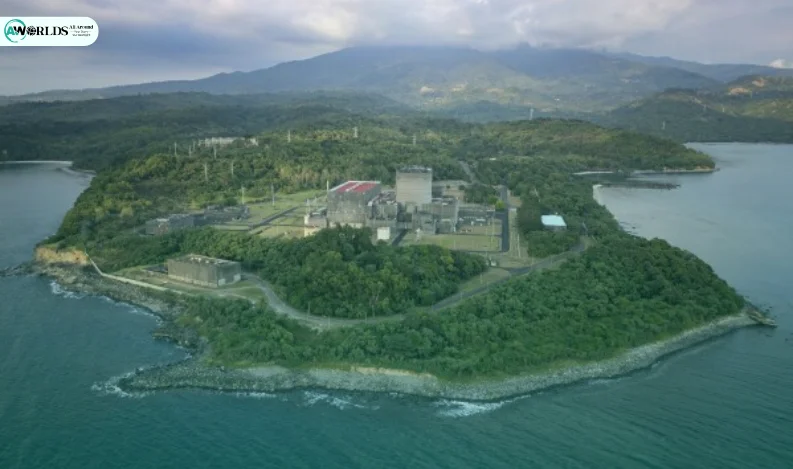
Bataan Nuclear Revival vs Renewables: Philippines Faces Crucial Energy Choice
The Philippines is at a critical turning point in its energy strategy, as debates intensify over whether to revive the long-idle Bataan Nuclear Power Plant (BNPP) or continue investing heavily in renewable energy infrastructure.
Built in the late 1970s at a cost of $2.3 billion, the 620-megawatt BNPP has remained unused for nearly four decades, costing taxpayers around $1 million annually in maintenance without generating any electricity. However, a recent proposal by South Korea to assess its revival for approximately $1–1.2 billion has reignited discussions around its potential role in the country’s energy future.
Originally halted in 1986 following safety concerns and political upheaval after the Chernobyl disaster, the plant shares a design similar to operational nuclear facilities in countries like South Korea, Slovenia, and Brazil. Experts from the Philippine Nuclear Research Institute have stated that reactivation is technically feasible and safe.
While renewable energy sources such as solar and wind have seen significant cost reductions globally, challenges remain in ensuring consistent energy supply. Solar power is unavailable at night, and wind generation is variable, requiring large-scale battery storage and backup systems to maintain reliability.
Energy analysts argue that to match the stable output of a nuclear plant like BNPP, the Philippines would need to significantly overbuild renewable capacity and invest heavily in storage solutions, which could drive up overall system costs. Despite declining electricity generation costs, integrating renewables into a stable grid remains expensive due to transmission upgrades, backup generation, and storage requirements.
On the other hand, reviving BNPP could provide a steady, baseload power supply with relatively predictable operating costs. Nuclear energy offers a high capacity factor of over 90%, making it a reliable backbone for the grid while complementing intermittent renewable sources.
However, concerns around nuclear safety, waste disposal, and regulatory requirements continue to spark debate. Establishing a robust nuclear regulatory framework and safe waste storage systems would require substantial investment and long-term planning.
Public opinion appears to be shifting, with growing support for nuclear energy as the country seeks to reduce dependence on coal and manage rising electricity costs. Policymakers are increasingly viewing nuclear power not as a replacement for renewables but as a complementary solution to ensure energy security.
As the Philippines moves forward, the decision is no longer about whether to include nuclear energy, but how quickly it can be integrated into the national energy mix.
Conclusion:
The revival of the Bataan Nuclear Power Plant presents a compelling case for balancing affordability, reliability, and sustainability. As energy demand rises and costs remain volatile, combining nuclear power with renewable energy may offer the most practical path toward long-term energy security for the Philippines.






Recent Comments:
No comments yet.