
Asian Markets Slide as US-Iran Tensions Escalate; Kospi, Nikkei Drop Over 5%
Asian markets fell sharply on Monday, with major indices in South Korea and Japan recording steep losses, as escalating tensions between the United States and Iran rattled investor sentiment.
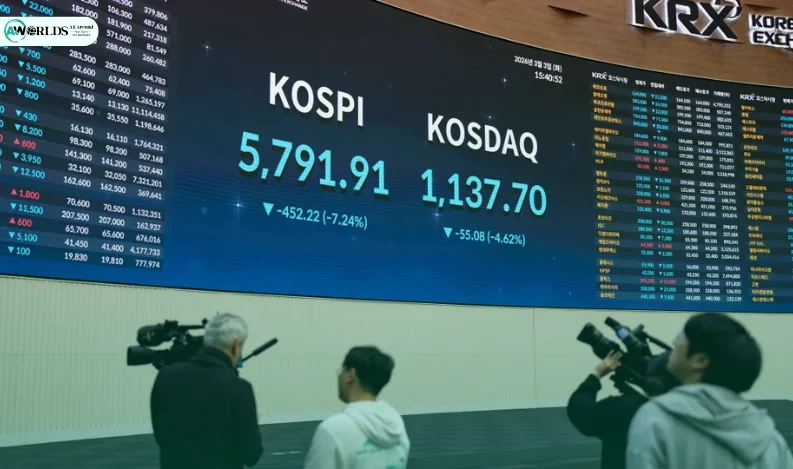
South Korea’s Kospi dropped more than 5%, while Japan’s Nikkei 225 declined nearly 5%, extending losses from the previous session. Broader regional markets also weakened, with Hong Kong’s Hang Seng Index and mainland Chinese equities opening lower.
The sell-off follows renewed geopolitical tensions after US President Donald Trump warned that the United States would “obliterate” Iran’s power infrastructure if Tehran failed to reopen the Strait of Hormuz within 48 hours.
Iran responded by threatening retaliatory strikes on energy and oil infrastructure across the Gulf region. Iranian officials also warned that financial entities linked to US government funding could become potential targets if the conflict escalates further.
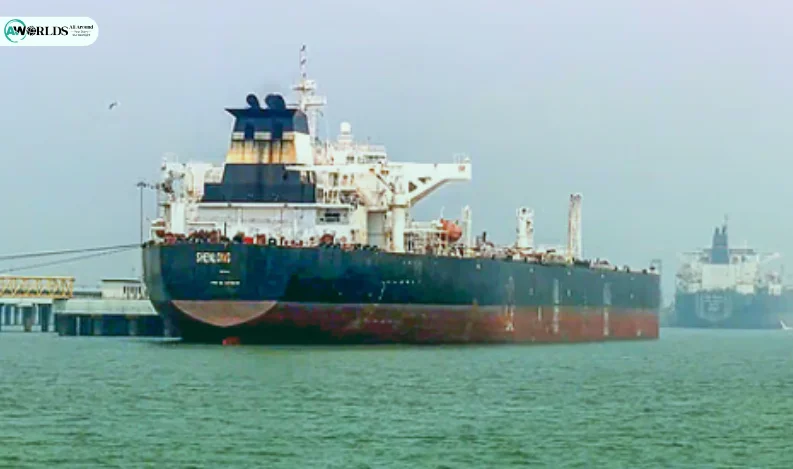
The Strait of Hormuz, a key global energy route, has been severely disrupted in recent weeks, raising concerns about prolonged supply constraints and rising oil prices.
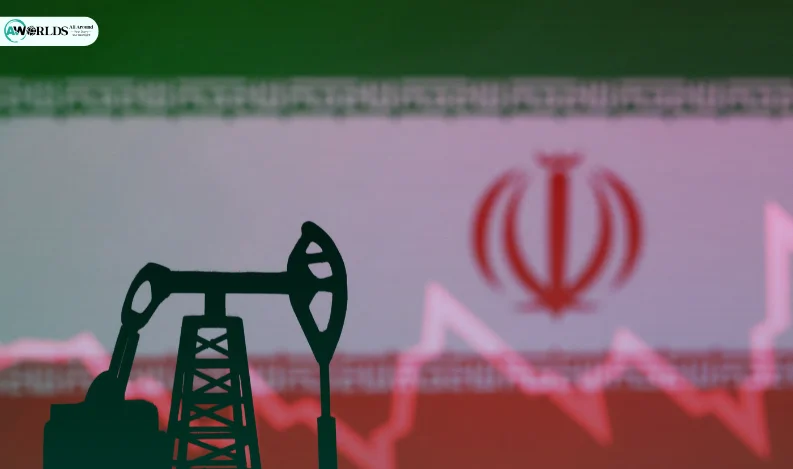
Oil markets remained volatile. Brent crude rose to around $112 per barrel, while US West Texas Intermediate traded near $99 per barrel. Analysts said continued disruptions in the region could keep prices elevated in the near term.
Investment bank Goldman Sachs raised its oil price forecasts, citing expectations that reduced flows through the Strait of Hormuz could persist for several weeks before gradual recovery.
The widening gap between Brent and WTI crude prices — which exceeded $14 per barrel — suggests growing concerns among investors about the duration and severity of the crisis.
Across the region, Japan’s broader Topix index fell over 4%, while South Korea’s Kosdaq declined nearly 5%. Trading in Korean futures markets was briefly halted after sharp declines triggered circuit breakers.
Australia’s S&P/ASX 200 and other regional indices also posted losses, reflecting widespread risk aversion among investors.
US stock futures were largely flat, following a weak performance last week, as global markets continued to react to geopolitical developments and rising energy costs.
Market participants are closely monitoring developments in the Middle East, with concerns that prolonged disruption to energy supplies could further impact global financial markets.




Recent Comments:
No comments yet.